How Gen-Z Turned an Insult Into a Movement - The Trend Everyone Thought Was Just a Joke
People think “Cockroach Janta Party” is just another random internet meme created by Gen-Z for attention. At first glance, it really does look funny and unserious. But if you look deeper, this trend represents something much bigger than humor. It shows how Gen-Z understands internet culture, online identity, and digital influence better than any generation before them. What started as a joke slowly became a reflection of modern internet power.
The Meaning Behind the Name
From Insult to Identity
Gen-Z has been called lazy, distracted, unemployed, over-sensitive, and addicted to social media. Now people started calling them “cockroaches” too. The word was meant to insult them. But Gen-Z did something unexpected. Instead of getting offended, they accepted the joke and turned it into identity. That is the difference between old internet culture and Gen-Z internet culture. They understand that once you own the joke, nobody else can use it against you anymore.
Turning Negativity Into Power
This generation has mastered the art of converting criticism into visibility. They know how to take insults, remix them into memes, and spread them into communities. “Cockroach Janta Party” became viral not because people believed in it politically, but because people related to the energy behind it. It became symbolic of a generation that refuses to be controlled by traditional labels.
Meme Culture Is No Longer Just Entertainment
Memes Have Become a New Language
Older generations often think memes are meaningless distractions. But for Gen-Z, memes are communication. They express emotions, opinions, sarcasm, frustration, and even social commentary through internet humor. A meme today is not just content. It is culture.
Why Memes Spread Faster Than Traditional Media
Gen-Z understands something important: attention is the most valuable currency online. Memes travel faster than advertisements, news channels, or traditional marketing campaigns because they feel relatable and authentic. One viral meme can create a stronger community than years of traditional branding. That is why trends like “Cockroach Janta Party” grow so quickly online.
Things Memes Can Become Today:
- Communities
- Brand Identities
- Social Movements
- Marketing Campaigns
- Internet subcultures
Gen-Z Does Not Follow Systems
They Turn Internet Chaos Into Culture
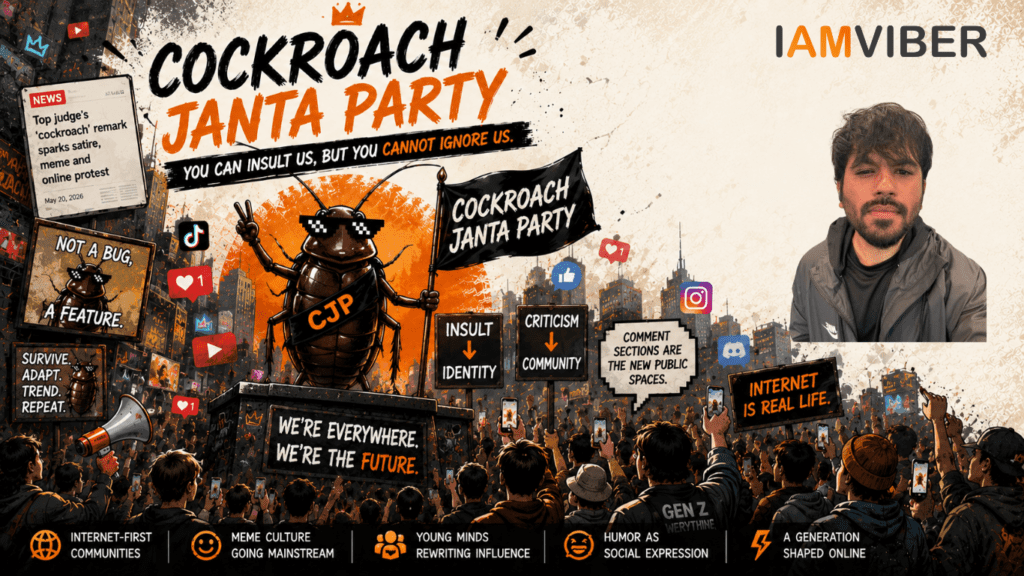
What started as a joke online suddenly became one of the most talked-about internet trends. “Cockroach Janta Party” may sound funny at first, but the reason it spread so fast is because people connected with the feeling behind it. Reports say the trend exploded after controversial remarks comparing frustrated youth to “cockroaches” triggered massive online satire and meme culture. But instead of reacting with anger alone, Gen-Z did what they always do best — they turned the insult into identity.
Why This Trend Connected With Young People
Gen-Z grew up in a world filled with uncertainty. They saw layoffs, unstable careers, rising competition, AI disruption, and constant pressure to succeed faster than previous generations. Because of this, they stopped blindly trusting traditional systems. Instead of waiting for opportunities, they started building opportunities online.
What Gen-Z Understands:
- Attention creates influence
- Community creates power
- Humor spreads faster than outrage
- Authenticity matters more than perfection
Internet Communities Are the New Movements
Comment Sections Became the New Public Spaces
Earlier generations built communities in colleges, offices, and public spaces. Gen-Z builds communities online. Today, ideas spread through comment sections, meme pages, group chats, Discord servers, and social media trends.
Why Online Culture Feels So Powerful Now
For Gen-Z, the internet is not separate from real life anymore. It is where people socialize, work, create brands, express opinions, and build influence. That is why internet trends today shape real conversations offline too. According to reports, the “Cockroach Janta Party” quickly gained huge traction online, attracting thousands of supporters and followers within days.
Modern Communities Grow Through:
- Shared humor
- Relatable frustration
- Viral content
- Digital conversations
- Online participation
Humor Became Gen-Z’s Survival Language
Why Memes Matter More Than People Think
Many people think Gen-Z jokes about everything because they are unserious. But often humor is how this generation handles stress and uncertainty. Instead of reacting emotionally in traditional ways, they convert frustration into memes and irony.
The Rise of Meme-Based Identity
“Cockroach Janta Party” became popular because it reflects modern internet behavior perfectly. A negative label was turned into shared identity through humor. Reports describe the movement as satire mixed with frustration, powered heavily by Gen Z internet culture. That is the real power of memes today. They are no longer just jokes. They are communication, branding, and community-building tools all at the same time.
“You can insult us, but you cannot ignore us.”
The Meaning of Power Has Changed
Traditional power once belonged mainly to institutions, media companies, corporations, and political systems. But internet culture has completely changed the rules of influence. Today power can come from creators, meme pages, digital communities, and viral conversations happening online every second. Gen-Z understands this shift better than anyone because they grew up inside the internet age. They naturally understand algorithms, virality, audience behavior, and how online attention spreads across platforms. That is why modern movements often begin as memes before turning into larger cultural conversations. In today’s digital world, influence is no longer built only through money or authority. It is built through audience loyalty, viral reach, cultural relevance, strong community engagement, and online trust.
The trend itself may disappear with time, but the mindset behind it will remain. “Cockroach Janta Party” represents a generation that knows how to transform criticism into visibility and visibility into community. What looks like a simple internet joke on the surface actually reflects a much bigger cultural shift happening online. Many things people once ignored as “internet nonsense” later became major cultural forces. Meme pages became media brands, creators became entrepreneurs, and online communities turned into businesses and movements. Reports describe this trend as a satirical digital movement powered by internet frustration, humor, and youth participation. More importantly, it represents the rise of internet-first communities, meme culture becoming mainstream, young people rewriting digital influence, humor turning into social expression, and an entire generation shaped by online culture.
Welcome to the Gen-Z Era
The Internet Is Creating a New Culture
People thought Gen Z was wasting time online. But maybe they were simply learning how the future works before everyone else. This generation creates culture in real time through memes, content, humor, and communities.
Today “Cockroach Janta Party” looks like a viral meme. Tomorrow it could inspire bigger conversations about identity, internet culture, and digital influence. Because in today’s world, memes are no longer just entertainment.They are signals of cultural change.