AI is Changing the Way Creative Teams Work
Every time a new technology enters the market, people ask the same question: “Will it replace jobs?” The rise of artificial intelligence has sparked a similar debate. Many people believe AI will replace designers, writers, video editors, marketers, and content creators. After all, AI can now generate images, write blogs, create videos, and even produce marketing campaigns within minutes.
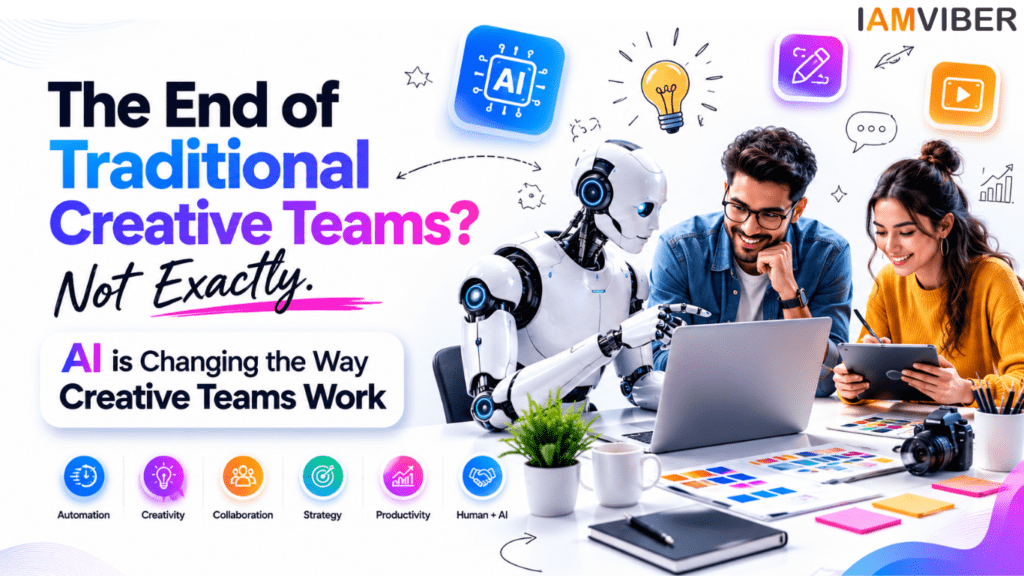
However, the reality is far more interesting. AI is not eliminating creative teams. Instead, it is changing how they work. The role of creative professionals is shifting from doing repetitive production tasks to focusing on strategy, storytelling, and innovation. This transformation is helping teams become more productive while allowing creativity to remain at the center of content creation.
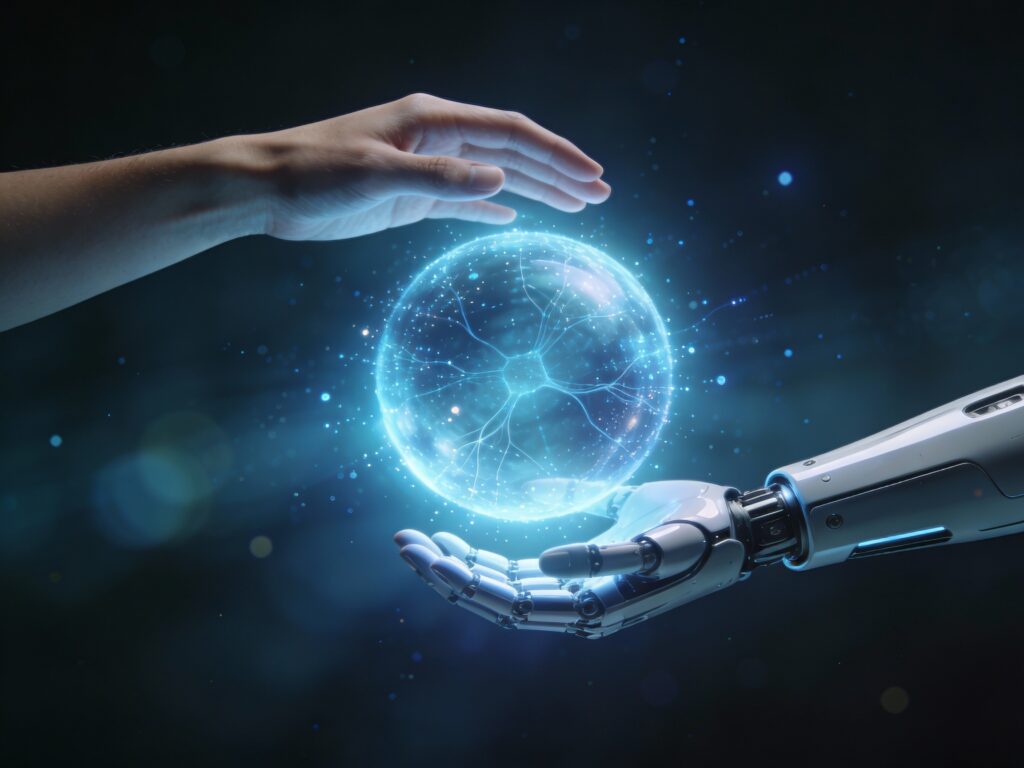
As businesses demand more content across more platforms, AI is becoming a tool that helps teams scale their output without increasing workload. The future is not about humans versus AI. It is about humans and AI working together.
Why Traditional Workflows Are No Longer Enough
The average marketing team today is expected to create content for multiple channels at once. A single campaign may require social media posts, videos, blogs, ad creatives, email campaigns, and website content. Managing all of this manually can be overwhelming.
Traditional workflows often struggle because they depend heavily on repetitive tasks such as:
- Content formatting
- Caption writing
- Video editing
- Asset organization
- Content scheduling
- Campaign management
These tasks are important, but they consume a large amount of time. As a result, creative professionals often spend more time managing workflows than generating ideas.
This is one of the main reasons AI adoption is growing so rapidly across the creative industry.
What AI Does Better Than Humans
AI excels at speed, automation, and processing large amounts of information. It can analyze trends, organize data, generate drafts, and automate repetitive workflows much faster than any human team.
For example, AI can quickly:
Generate content variations for different platforms.
Analyze audience engagement patterns.
Organize content calendars and workflows.
Create multiple creative concepts for testing.
Support production workflows with automation.
These capabilities help businesses reduce operational delays and improve productivity. Instead of spending hours on repetitive work, teams can focus on creating stronger ideas and building better audience relationships.
However, AI’s strength is efficiency, not originality.
What Humans Still Do Better
While AI can create content, it cannot fully understand emotions, cultural nuances, personal experiences, or human storytelling. The content that people remember most often comes from authentic experiences and creative thinking.
Humans bring:
- Creativity and innovation
- Emotional intelligence
- Strategic thinking
- Brand storytelling
- Cultural understanding
- Audience connection
These qualities are difficult for AI to replicate because they are based on human experiences and perspectives.
This is why brands that rely entirely on AI-generated content often struggle to build meaningful audience engagement. People connect with people, not algorithms.
The Rise of Hybrid Creative Teams
The most successful companies are no longer choosing between AI and human talent. Instead, they are building hybrid creative teams where technology supports human creativity. In these environments, AI handles repetitive production work while creative professionals focus on strategy and storytelling. This creates a more efficient workflow without sacrificing originality.
Platforms like Vibeix Studio are helping make this possible by creating connected AI-powered workflows that support content production, collaboration, and creative management. Instead of replacing creators, these systems help teams work faster and more effectively.
This hybrid approach is quickly becoming the new standard across marketing, advertising, and content production.
The Future of Creativity Will Be AI-Assisted
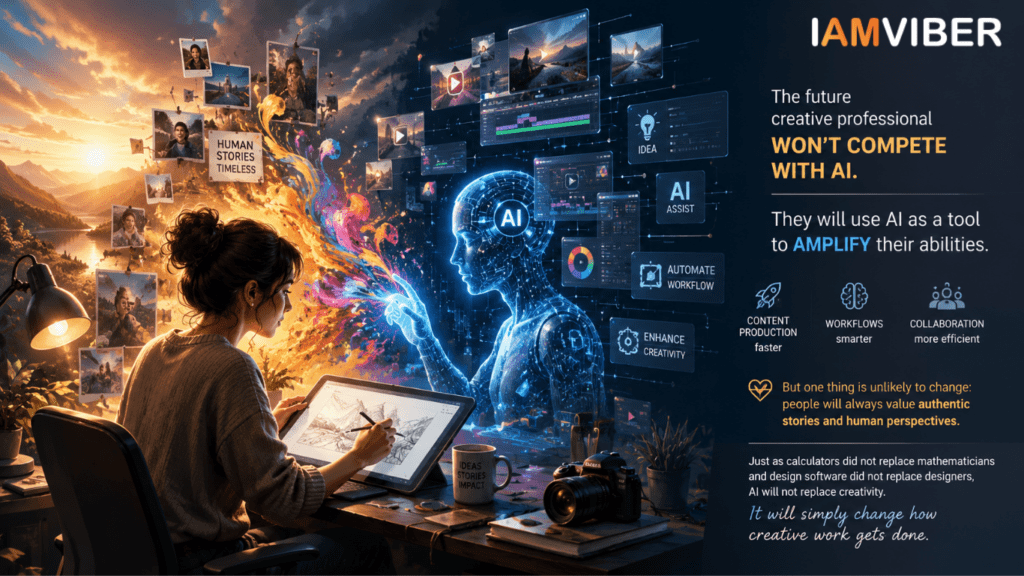
As AI technology continues improving, creative workflows will become even more automated. Content production will become faster, workflows will become smarter, and collaboration will become more efficient.
However, one thing is unlikely to change: people will always value authentic stories and human perspectives.
The future creative professional will not compete with AI. They will use AI as a tool to amplify their abilities. Just as calculators did not replace mathematicians and design software did not replace designers, AI will not replace creativity. It will simply change how creative work gets done.
Conclusion
The idea that AI will completely replace creative teams is one of the biggest misconceptions in the industry today. While AI can automate workflows and improve efficiency, it cannot replace imagination, emotional connection, and authentic storytelling.
The future belongs to teams that understand how to combine human creativity with AI-powered productivity. Businesses that embrace this balance will be able to create better content, move faster, and build stronger relationships with their audiences.
The real question is no longer whether AI will become part of creative work. The real question is how effectively businesses will use it to unlock human potential.