Artificial intelligence has completely changed how content is created, shared, and consumed. Today, AI tools are being used everywhere, from writing blogs and generating visuals to editing videos and designing campaigns. Platforms like OpenAI’s ChatGPT, Midjourney, and Runway have made it possible to create high-quality content within minutes. This has started a major conversation in the creative world: who actually wins when it comes to creativity, AI or humans? AI clearly has the advantage in speed, efficiency, and scalability. It can process huge amounts of information quickly and generate organized, consistent results in seconds. This makes it extremely useful for repetitive creative tasks like drafting blogs, generating ideas, editing videos, or producing multiple versions of content. Businesses and marketers especially benefit because AI saves time, reduces costs, and makes content production much faster. However, AI does not truly “think” or create emotions the way humans do. It works by identifying patterns from existing data and generating outputs based on what it has learned. This means that while AI can be incredibly efficient, it still depends heavily on the information it is trained on.
Why Human Creativity Still Matters
Human creativity comes from emotions, experiences, imagination, and the ability to think differently. Unlike AI, people can create stories and ideas that connect deeply with audiences on an emotional level. Humans understand culture, context, humor, and subtle emotional details that machines still struggle to fully capture. This is why some of the most memorable campaigns, films, and creative projects continue to feel deeply human. At the same time, people bring originality and fresh perspectives that are not limited by existing patterns or data.
- Strong emotional storytelling and authentic connection
- Ability to think beyond patterns and trends
- Understanding of culture, emotions, and human behavior
- Unique perspectives and innovative ideas
- Creative problem-solving and adaptability
Even with all the advancements in AI, creativity is not just about generating content quickly, it’s about meaning and impact. People still look for content that feels genuine and relatable, and that emotional depth comes naturally from humans. AI can support creativity, but it cannot fully replace lived experiences or human intuition.
The Future is Collaboration, Not Competition
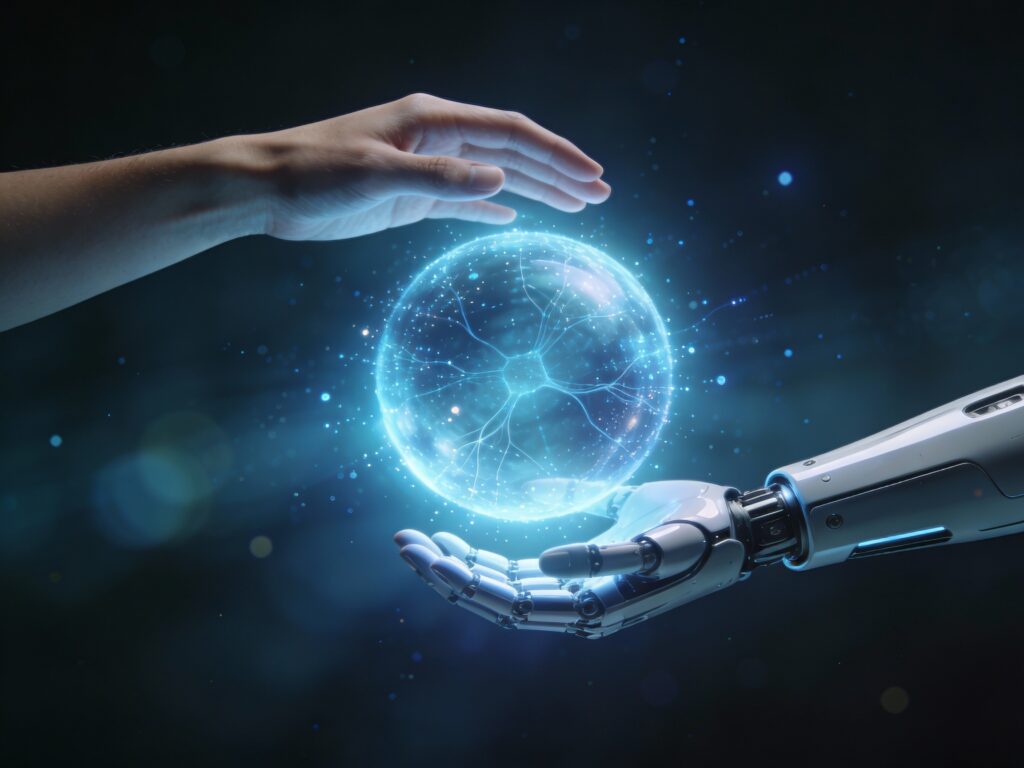
The real future of creativity is not about AI replacing humans or humans rejecting AI. It is about collaboration. AI and human creativity actually complement each other extremely well. AI can handle the repetitive and time-consuming parts of the process, such as research, rough drafts, editing, and idea generation. This allows creators to spend more time focusing on storytelling, strategy, and emotional connection. Instead of slowing creativity down, AI speeds up execution and opens new possibilities. For example, creators can quickly test multiple ideas, explore different styles, and refine content faster than ever before. This creates a workflow where AI improves efficiency while humans maintain originality and authenticity.
Moving into 2026 and beyond, the creators who will stand out are not the ones choosing between AI and human creativity, but the ones learning how to combine both effectively. AI brings speed, data, and scalability, while humans bring imagination, emotion, and vision. Together, they create a balance that produces content which is both efficient and meaningful. Instead of seeing AI as a threat, many creators are now using it as a creative partner that enhances their workflow and allows them to focus more on innovation. The future of content creation will not belong only to machines or only to people, it will belong to those who know how to use both together in the smartest and most creative way possible.