OpenAI Launches New Codex Tools for White-Collar Work: What It Means for Businesses
Artificial Intelligence is rapidly changing how professionals work, and OpenAI’s latest Codex update is another major step in that direction. Traditionally known as a coding assistant, Codex is now expanding beyond software development to help white-collar professionals automate everyday business tasks. From research and reporting to project management and document analysis, the new tools aim to make AI a practical workplace assistant for millions of knowledge workers.
As businesses continue adopting AI at scale, OpenAI’s move signals a broader shift toward intelligent workplace automation.
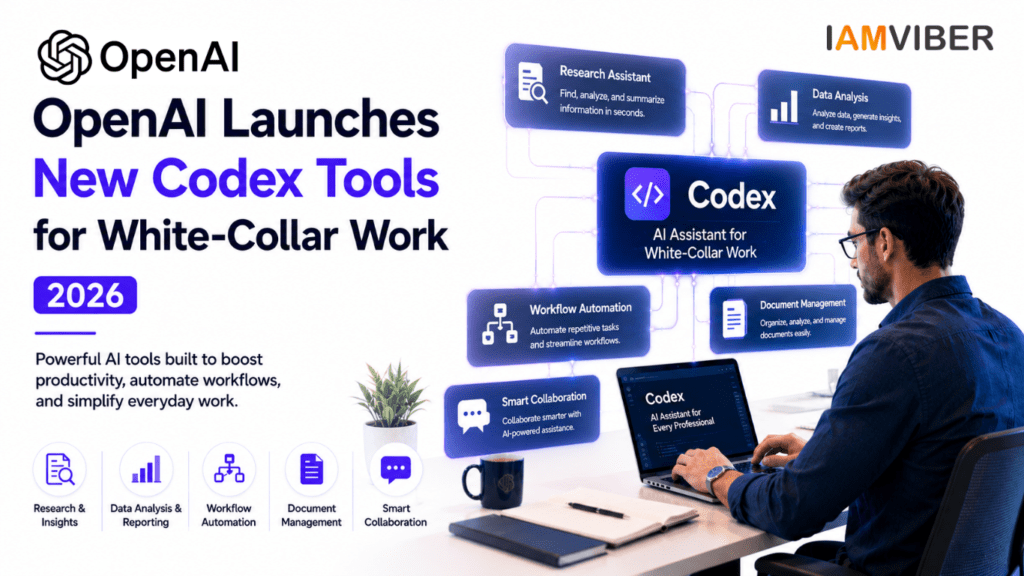
OpenAI has introduced enhanced Codex capabilities designed to support professionals outside the software engineering world. These tools can handle tasks such as information gathering, document summarization, workflow management, and business research.
Instead of focusing solely on writing code, Codex can now assist with a wide range of office-related responsibilities, helping employees complete repetitive tasks faster and more efficiently.
The goal is simple: reduce manual work and allow professionals to focus on strategic thinking and decision-making.
A Shift From Coding Assistant to Work Assistant
When Codex first launched, it was primarily targeted at developers. It could generate code, explain programming concepts, and assist with debugging.
Today, OpenAI is positioning Codex as a broader productivity platform. The company believes AI agents will become digital coworkers capable of handling many routine business activities that currently consume valuable employee time.
This transition reflects the growing demand for AI tools that can improve productivity across entire organizations rather than within technical teams alone.
Key Features of the New Codex Workplace Tools
The latest update introduces several capabilities aimed at improving workplace efficiency.
Intelligent Document Analysis
Modern businesses generate massive amounts of information every day. Employees often spend hours searching through reports, presentations, spreadsheets, and internal documentation.
Codex can quickly analyze large volumes of content, identify important information, and generate concise summaries. This helps teams find answers faster and reduces time spent on manual research.
Research and Information Gathering
Research-intensive roles such as consulting, marketing, finance, and business strategy require collecting information from multiple sources.
The new Codex tools can assist by organizing data, summarizing findings, and presenting key insights in a structured format. This allows professionals to move from research to action more quickly.
Workflow Automation
One of the most valuable aspects of the update is workflow automation. Codex can help users manage recurring tasks, track project progress, and coordinate information across different systems.
As AI agents become more advanced, businesses are increasingly looking for ways to automate repetitive administrative work while maintaining human oversight.
Communication Support
Business communication remains a significant part of daily work. Codex can help draft emails, summarize conversations, organize meeting notes, and create follow-up action items.
For professionals dealing with large volumes of communication, these features can significantly improve productivity.
The demand for workplace AI has grown dramatically over the past two years. While coding assistants remain popular, organizations are now exploring how AI can support employees across departments.
Knowledge workers spend a considerable amount of time on repetitive tasks such as reporting, documentation, scheduling, and information management. OpenAI sees this as a major opportunity to increase workplace efficiency. By expanding Codex beyond software development, the company is entering a much larger market that includes millions of professionals worldwide.
The Rise of AI Agents
A growing trend in the AI industry is the development of autonomous AI agents. Unlike traditional chatbots that simply answer questions, AI agents can complete multi-step tasks, maintain context, and work toward specific objectives.
The new Codex tools represent OpenAI’s effort to bring these capabilities into everyday business environments.
Benefits for Businesses
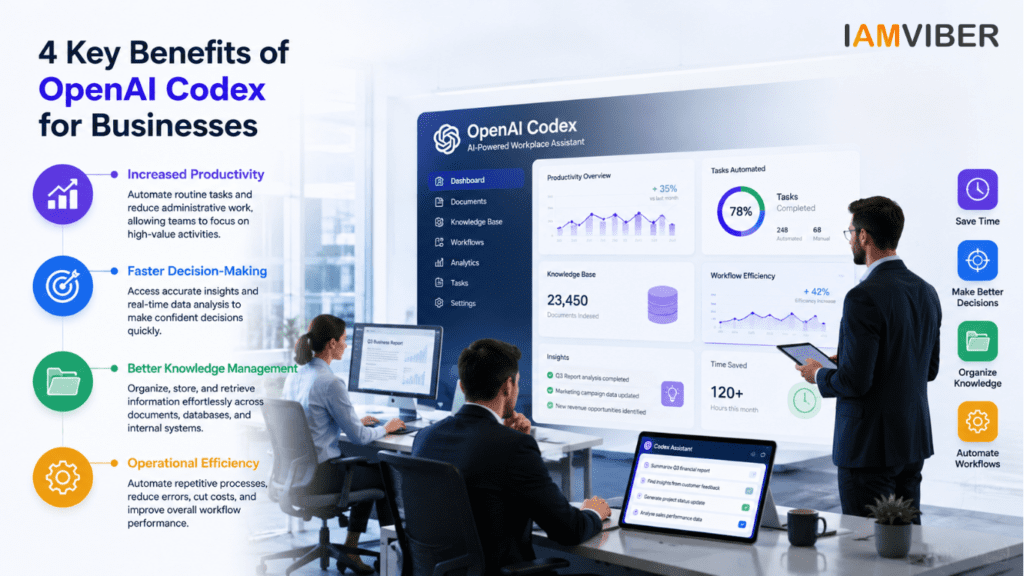
Organizations adopting advanced AI tools like Codex may experience several advantages.
Challenges and Considerations
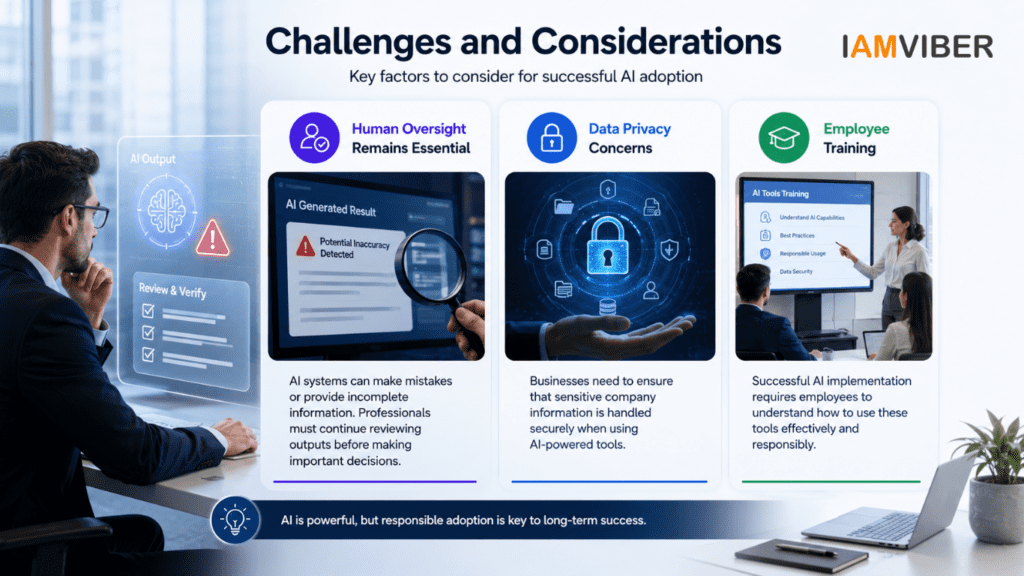
Despite the benefits, organizations must approach AI adoption carefully.
What This Means for the Future of Work
OpenAI’s latest Codex update highlights a future where AI becomes an everyday workplace companion rather than a specialized technical tool. As AI continues to evolve, professionals may increasingly rely on intelligent assistants to handle routine work, conduct research, manage information, and streamline communication.
The focus will not be on replacing human workers but on enhancing their capabilities and helping them accomplish more in less time.
Conclusion
OpenAI’s new Codex tools mark an important milestone in the evolution of workplace AI. By expanding beyond software development and targeting white-collar professionals, the company is positioning Codex as a powerful productivity platform for the modern workforce.
As businesses continue embracing AI-driven automation, tools like Codex could become as common in offices as email, spreadsheets, and project management software. The organizations that learn to integrate these technologies effectively may gain a significant advantage in productivity, efficiency, and innovation.