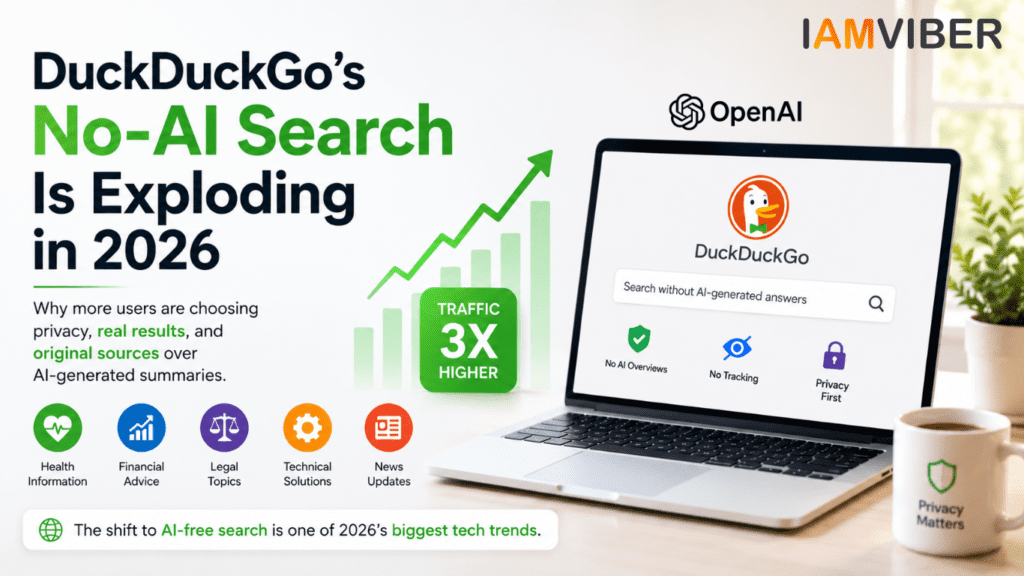
DuckDuckGo’s AI-free search is gaining momentum as users seek more control online.
The internet is witnessing an unexpected shift.
For years, Google dominated search without serious competition. But in 2026, something unusual is happening. Thousands of users are actively searching for ways to avoid AI-generated search results, and one company is benefiting the most: DuckDu kGo.
After Google’s latest AI-focused search announcements, traffic to DuckDuckGo’s “No AI” search experience has reportedly more than tripled. App installs have surged, social media discussions are exploding, and many users are now questioning whether AI should control the future of search. The trend has quickly become one of the biggest tech stories of the week.
The Search Industry Is Changing Fast
Search engines are no longer just showing links.
Today’s search platforms are increasingly designed to answer questions directly using artificial intelligence. Google’s AI Overviews, conversational search features, and Gemini-powered experiences are transforming the way people interact with the web. Instead of clicking websites, users are now often shown:
- AI-generated summaries
- Chat-style responses
- Automated recommendations
- Follow-up AI suggestions
- AI-generated images
- Google believes this creates a faster and smarter experience. However, not everyone agrees.
Following Google’s latest AI search rollout, DuckDuckGo revealed that visits to its No AI search page have more than tripled.
The company’s AI-free search option removes AI-generated answers, AI chat experiences, and AI image results. It focuses on delivering a more traditional search experience centered around website links and direct sources. The growth happened incredibly fast.
According to multiple reports, traffic reached three times its normal level within days of Google’s AI announcements and continues to rise. For a search engine that has spent years operating in Google’s shadow, this is a major moment.
Why Are Users Rejecting AI Search?
The backlash is not really about AI itself. Most people already use AI tools daily. The issue is that many users feel AI is being forced into every online experience without giving them a choice. Several concerns are driving the trend.
AI Hallucinations Still Exist
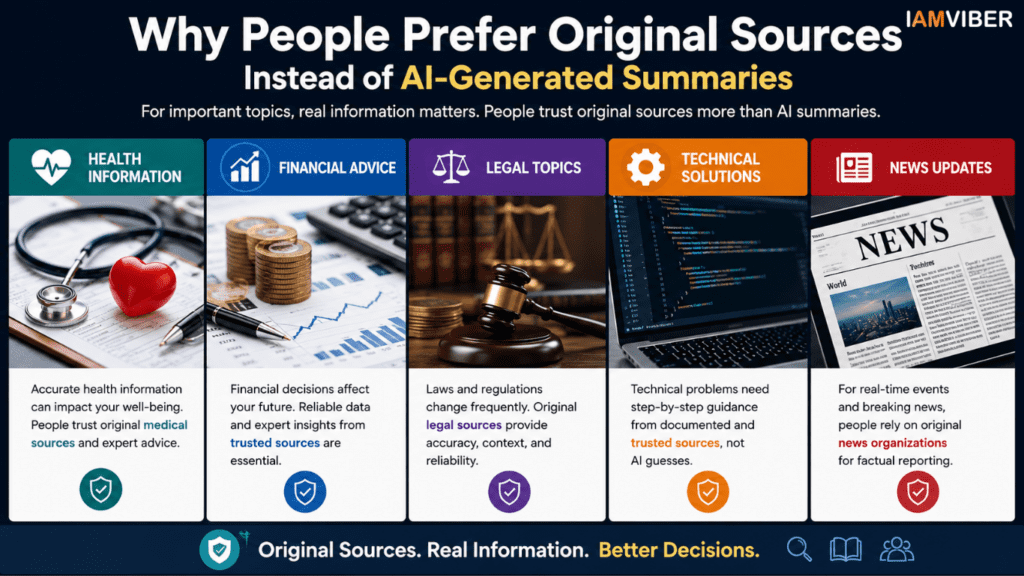
One of the biggest problems with AI search is accuracy. AI systems can sometimes generate answers that sound convincing but contain incorrect information. This becomes a serious issue when users search for:
People Miss Traditional Search Results
For decades, search engines worked in a simple way. You searched a topic and received a list of websites.
Now, AI often appears before those links. Many users feel they have less control over what information they see. Some simply want search engines to return websites instead of trying to become chatbots. This growing frustration is one reason DuckDuckGo’s No AI mode is attracting attention.
Publishers and Websites Are Worried
The rise of AI-generated answers has also created concerns among publishers. If AI provides answers directly inside search results, fewer users may click through to websites.
That means blogs, news organizations, and independent publishers could lose traffic and revenue. This debate has become one of the most important discussions in the SEO industry.
Recent reports suggest that DuckDuckGo is experiencing some of its strongest growth in years. The company reported:
- More than 3x traffic growth on No AI pages
- Around 30% increases in app installs
- Massive spikes in iPhone downloads
- Strong engagement following Google I/O announcements
- Some reports even showed iOS install growth approaching 70% during peak periods. While Google remains the world’s largest search engine by a huge margin, these numbers suggest users are actively looking for alternatives.
Social Media Is Fueling the Trend
The discussion has spread rapidly across Reddit, X, Instagram, and tech communities. Many users are sharing screenshots of strange AI-generated search answers and complaining about the growing presence of AI inside everyday searches.
Others are praising DuckDuckGo for giving users more control. One Reddit user summed up the mood perfectly by saying that Google increasingly feels like it sends users everywhere except the information they originally wanted. That sentiment is becoming increasingly common online.
The Irony: DuckDuckGo Also Uses AI
Interestingly, DuckDuckGo is not completely anti-AI. The company actually offers its own AI platform called Duck.ai, which provides access to multiple AI models while focusing on privacy.
The difference is that DuckDuckGo allows users to decide whether they want AI features enabled. Its strategy focuses on choice rather than forcing AI into every search result. This approach appears to be resonating with users.
What This Means for SEO in 2026
For bloggers, marketers, and website owners, this trend is important. The rise of AI-free search could create new opportunities.
Organic Traffic May Become More Valuable
Traditional search experiences encourage users to visit actual websites. If more people move toward AI-free search engines, high-quality content could receive more direct traffic.
Search Diversification Is Growing
For years, SEO strategies focused almost entirely on Google. Today, businesses are increasingly monitoring:
- DuckDuckGo
- AI search engines
- Privacy-focused browsers
- Alternative discovery platforms
- The future of search may become far more diverse than it has been over the last decade.
Content Quality Matters More Than Ever
As users become more skeptical of AI-generated answers, trust becomes a competitive advantage. Websites that provide original research, expert insights, and accurate reporting may stand out even more.
Is This the Beginning of an Anti-AI Movement?
Not exactly. Most users still enjoy AI tools when they solve real problems. The bigger issue is control. People want the ability to decide when AI should be involved and when it should stay out of the way.
DuckDuckGo’s sudden popularity shows that many internet users still value:
- Simplicity
- Privacy
- Traditional search results
- Direct access to sources
- Greater transparency
- That does not mean AI search is failing. It simply means users want options.
Why This Shift Matters in 2026
DuckDuckGo’s No AI search boom is becoming one of the biggest search-engine stories of 2026. As Google continues pushing AI deeper into search, a growing number of users are actively looking for alternatives that feel simpler, cleaner, and more familiar.
The fact that traffic to DuckDuckGo’s AI-free search page has tripled in such a short period shows that demand for traditional search is far from dead. The future of search may not be about choosing between AI and non-AI. It may be about giving users the freedom to choose both.