The business world is experiencing a massive transformation, and at the center of this change is a new generation of ambitious young entrepreneurs. Unlike previous generations that waited years for experience, promotions, or opportunities, today’s young entrepreneurs are creating opportunities for themselves. With the power of technology, social media, artificial intelligence, and digital platforms, they are building startups, personal brands, AI companies, e-commerce businesses, marketing agencies, and innovative tech solutions from scratch.
Age is no longer a barrier to success. In today’s digital economy, a teenager with a laptop, internet connection, and a strong vision can create a business that reaches millions of people worldwide. Young entrepreneurs are proving that success is not defined by age, background, or traditional qualifications. Instead, it is driven by creativity, execution, consistency, and the ability to adapt quickly.
The rise of entrepreneurship among young people is not just a trend — it is shaping the future of global business. Across industries like technology, finance, content creation, AI, digital marketing, fashion, and SaaS, young founders are challenging traditional systems and introducing smarter, faster, and more innovative ways of working.
A Different Mindset from Traditional Business Leaders
One of the biggest reasons young entrepreneurs are succeeding is because they think differently from traditional business leaders. Older business models often focused on stability, slow growth, and long-term planning before execution. Young entrepreneurs, however, operate with speed, adaptability, and experimentation.
They are willing to take risks, test ideas quickly, and pivot when something doesn’t work. Instead of spending years planning the “perfect” strategy, they launch products, gather feedback, improve rapidly, and continue moving forward. This fast-paced approach allows them to stay ahead in highly competitive industries.
Young entrepreneurs are also highly comfortable with uncertainty. They understand that failure is part of the journey. Instead of being discouraged by setbacks, they learn from mistakes and use those experiences to improve their businesses. Their mindset is built around innovation, resilience, leadership, and continuous growth.
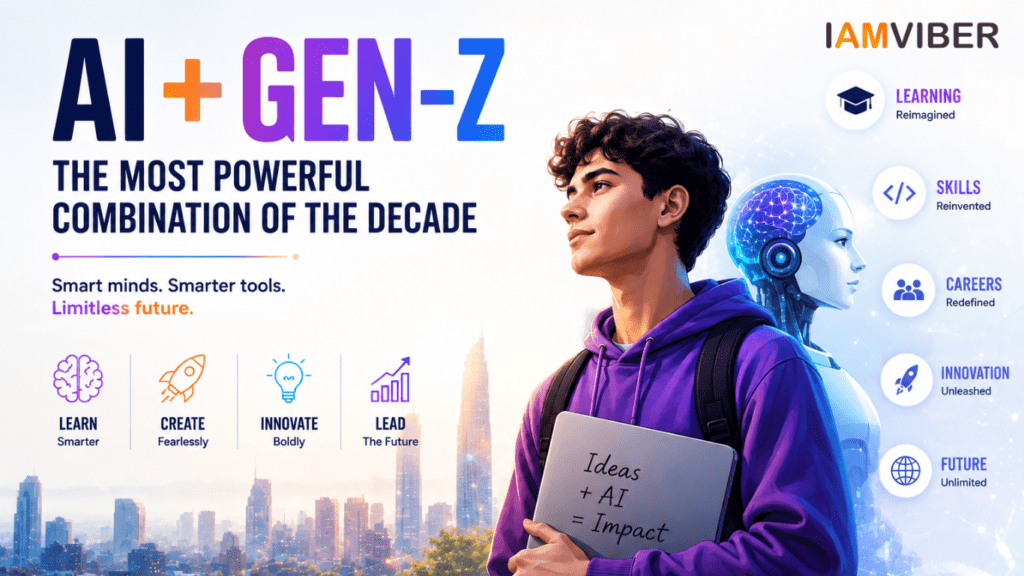
Another major difference is their ability to leverage digital tools effectively. Traditional companies often struggle to adapt to rapidly changing technologies, while younger founders naturally understand social media, AI tools, automation, content creation, and online communities. This gives them a huge competitive advantage in today’s digital-first economy.
Technology Has Changed the Rules of Business
Technology has completely transformed how businesses are built, marketed, and scaled. In the past, starting a company required huge investments, office spaces, and large teams. Today, young entrepreneurs can launch businesses directly from their bedrooms using laptops, smartphones, and internet platforms.
Artificial intelligence, no-code tools, social media platforms, and cloud-based software have reduced the barriers to entry. A small startup can now compete with established corporations through smart branding, viral marketing, and innovative products.
Young entrepreneurs are using AI to automate workflows, improve customer experiences, create content faster, and build scalable businesses. They are integrating technologies like machine learning, automation, and data analytics into industries that previously relied on outdated systems.
Digital marketing has also created new opportunities. Platforms like Instagram, YouTube, LinkedIn, TikTok, and X have become powerful business tools. Entrepreneurs can now build audiences, generate leads, sell products, and establish authority without relying on traditional advertising methods.
This shift has created a business environment where creativity and execution matter more than massive budgets.
The Power of Personal Branding
One of the defining characteristics of modern entrepreneurship is the rise of personal branding. Young entrepreneurs understand that people connect with people more than companies. Instead of hiding behind corporate identities, they build audiences around their personalities, stories, experiences, and expertise.
Through content creation, podcasts, LinkedIn posts, YouTube videos, and Instagram reels, they establish trust and credibility with their audience. This trust eventually turns into customers, partnerships, and business opportunities.
Personal branding allows entrepreneurs to stand out in crowded industries. It helps them create influence, attract talent, and build loyal communities around their businesses. Many young founders are becoming industry leaders not because they have the biggest companies, but because they consistently share value online.
This ability to combine entrepreneurship with content creation has completely changed modern business culture. Today, attention is one of the most valuable assets in the world, and young entrepreneurs understand how to capture and maintain it.
How Young Entrepreneurs Are Reshaping Industries
Young entrepreneurs are disrupting industries at an incredible speed. From fintech and artificial intelligence to fashion and healthcare, they are introducing innovative solutions to modern problems.
In the startup ecosystem, young founders are creating AI-powered tools that improve productivity, automate repetitive tasks, and simplify complex business operations. In e-commerce, they are building direct-to-consumer brands using social media marketing and influencer collaborations. In media, they are creating digital-first platforms that compete with traditional entertainment companies.
The creator economy has also opened entirely new business models. Many young entrepreneurs are building profitable businesses around content, communities, coaching, newsletters, online education, and digital products.
Their deep understanding of online behavior gives them an edge over traditional businesses. They know how trends work, how audiences engage with content, and how digital communities influence buying decisions. This understanding helps them create brands that feel modern, relatable, and authentic. As industries continue evolving, young entrepreneurs are becoming key drivers of innovation and transformation worldwide.
The Biggest Strength: Hunger to Learn and Grow
One of the most powerful qualities of young entrepreneurs is their willingness to learn continuously. They understand that knowledge is one of the greatest competitive advantages in business.
Unlike traditional education systems that often focus heavily on theory, young entrepreneurs learn through execution. They watch tutorials, study successful founders, test ideas, network with experts, and gain real-world experience by building projects.
Most successful young founders did not start with huge investments or perfect conditions. Many started with limited resources, minimal experience, and countless doubts. However, their determination, adaptability, and hunger for improvement helped them grow.
They are willing to work long hours, stay disciplined, and remain consistent even when results are slow. This mindset separates successful entrepreneurs from people who give up too early.
Continuous learning has become essential because industries are changing rapidly. AI, automation, digital marketing, and technology trends evolve every year. Young entrepreneurs who stay curious and adaptable are more likely to survive and thrive in competitive markets.
Social Media and the Digital Economy
Social media has become one of the biggest reasons behind the rise of young entrepreneurs. Platforms like Instagram, YouTube, TikTok, and LinkedIn have created equal opportunities for anyone with valuable ideas and consistent content.
A single viral video can attract millions of views and completely transform a business overnight. Young entrepreneurs use social media not just for entertainment, but as powerful tools for branding, networking, customer acquisition, and business growth.
Content marketing allows startups to compete with established companies without spending millions on advertising. Entrepreneurs can build communities around their products and directly connect with customers in real time. The digital economy has also created opportunities for remote businesses. Today, entrepreneurs can run agencies, SaaS companies, consulting businesses, and e-commerce brands from anywhere in the world. Geographic limitations are disappearing, making entrepreneurship more accessible than ever before.
The Desire for Freedom and Impact
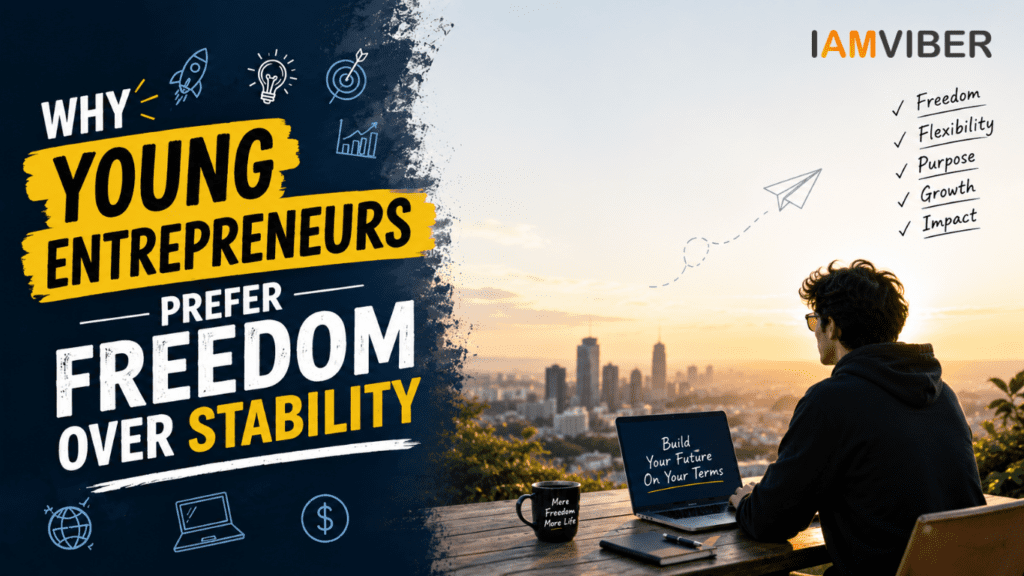
This generation is not motivated only by money. Young entrepreneurs also seek freedom, purpose, creativity, and impact. They want to build businesses that align with their passions and values.
Many no longer believe in traditional career paths where success depends entirely on corporate promotions. Instead, they prefer creating something of their own — something that gives them independence and long-term control over their future.
Young entrepreneurs are driven by the desire to create meaningful change. Whether through technology, education, sustainability, healthcare, or media, they want to solve real-world problems and leave a lasting impact.
This mindset is inspiring millions of others to pursue entrepreneurship and explore unconventional career paths.
Challenges Faced by Young Entrepreneurs
Although entrepreneurship offers incredible opportunities, the journey is not easy. Young entrepreneurs often face financial pressure, uncertainty, competition, burnout, and self-doubt.
Building a business requires patience, consistency, and emotional resilience. Many startups fail before becoming successful. However, young entrepreneurs understand that setbacks are part of growth.
Another challenge is balancing speed with sustainability. In the fast-moving digital world, trends change quickly, and businesses must constantly innovate to stay relevant.
Despite these challenges, young entrepreneurs continue pushing forward because they believe in their vision and potential.
The Future of Business Belongs to Innovators
The future of business will belong to people who can adapt, innovate, and create value quickly. Young entrepreneurs are already leading this transformation by embracing technology, digital marketing, AI, and global connectivity.
They are building modern companies that are faster, more flexible, and more customer-focused than traditional businesses. Their ability to combine creativity with execution is redefining industries across the world.
As artificial intelligence and automation continue changing global markets, entrepreneurship will become even more important. Young founders who understand technology and human behavior will lead the next wave of innovation.
Conclusion
Young entrepreneurs are not waiting for the future to arrive — they are building it themselves. Through innovation, ambition, creativity, and fearless execution, they are transforming industries and redefining success in the modern world.
They are proving that age does not determine capability. With the right mindset, consistency, and willingness to learn, anyone can create opportunities and build impactful businesses.
The rise of young entrepreneurs represents more than just a business movement. It represents a cultural shift toward independence, innovation, and digital empowerment. From startups and AI businesses to content creation and personal branding, this generation is shaping the future of entrepreneurship one idea at a time.
The future of business belongs to bold thinkers, fast learners, and creators who are willing to take action — and young entrepreneurs are leading that future.