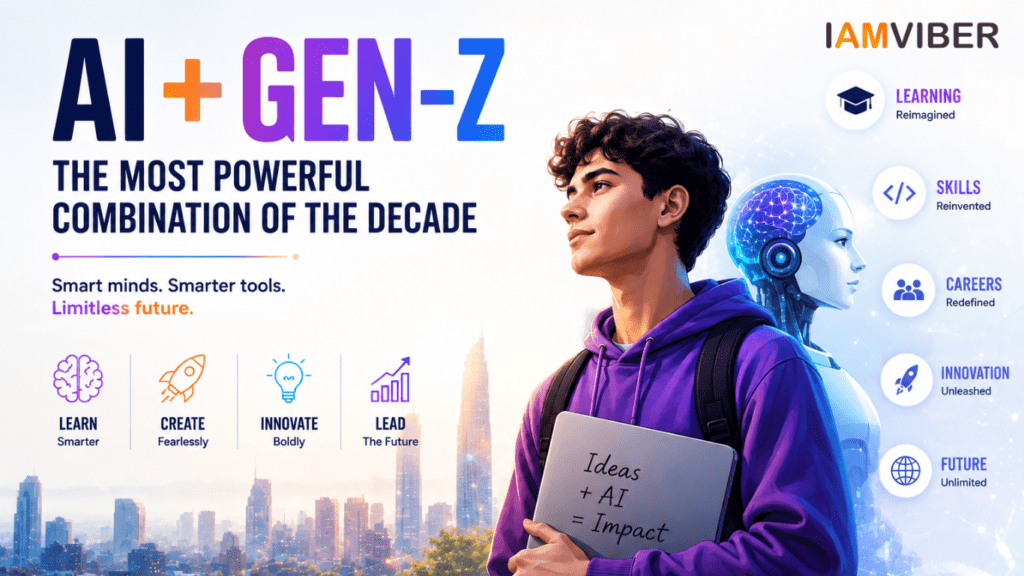
The modern entrepreneurial landscape is changing faster than ever before. A few years ago, success was mostly associated with stability — a secure job, predictable salary, and long-term corporate career. But today, the younger generation sees success differently. Gen-Z entrepreneurs and young millennials are prioritizing freedom, flexibility, creativity, and ownership over traditional job security. This shift is not happening randomly. It is being shaped by technology, internet culture, artificial intelligence, social media, startup ecosystems, and changing economic realities. Young entrepreneurs are growing up in a world where industries evolve overnight, trends move rapidly, and opportunities are no longer limited to large corporations or wealthy business families.
As a result, entrepreneurship is becoming more attractive than traditional employment for many young people. Instead of waiting decades for promotions and financial independence, they want to create opportunities on their own terms.The rise of creator-led businesses, digital startups, remote work culture, and AI-powered tools has made entrepreneurship more accessible than ever before. Today, a student with a laptop and internet connection can build a global audience, launch a startup, or create a profitable online business from anywhere in the world.
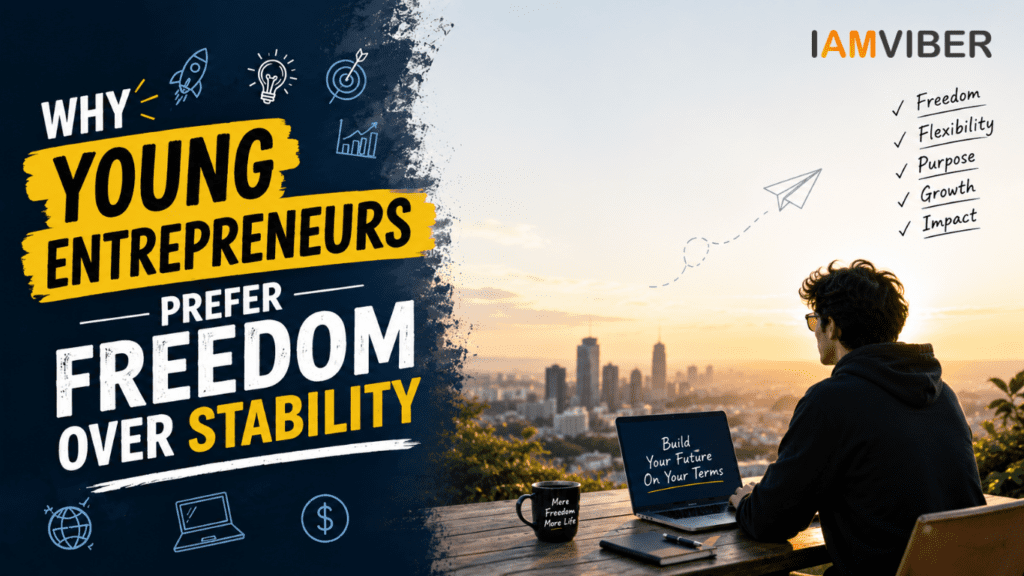
That is exactly why young entrepreneurs are choosing freedom over stability.
The Meaning of Success Has Changed
One of the biggest reasons behind this shift is that the definition of success itself has evolved. Older generations often measured success through:
- Job Titles
- Fixed Income
- Corporate Positions
- and long-term security
But Gen-Z values something different. Young people today care more about:
- Flexibility
- Meaningful work
- Independence
- Personal growth
- and control over their time
They no longer want to spend their lives following rigid systems that limit creativity or personal freedom. Instead, they want careers that align with their identity, passions, and lifestyle choices.
For many young entrepreneurs, success means: having the freedom to build, create, and live life on their own terms.
This mindset explains why more people are launching startups, freelancing, becoming creators, or building digital brands instead of depending entirely on traditional corporate jobs.
Traditional Stability No Longer Feels Secure
Another major reason why entrepreneurship is becoming more popular among young people is because traditional stability no longer feels truly stable. Over the last decade, Gen-Z witnessed:
- Global layoffs
- Economic uncertainty
- Automation replacing jobs
- and AI transforming industries rapidly
Large companies that once seemed permanent now restructure teams overnight. Entire industries are changing because of technology. This has created a psychological shift among younger generations.
Many young professionals now believe: relying completely on one employer is more risky than building independent skills and income streams. Because of this, entrepreneurship feels like a smarter long-term strategy. Young entrepreneurs are increasingly focusing on:
- Multiple income sources
- Online businesses
- Digital products
- Creator economies
- and scalable internet-driven opportunities.
To them, adaptability has become the new form of stability.
The Internet Changed Entrepreneurship Forever
The internet completely transformed how businesses are built.
Earlier, entrepreneurship required huge investments, office spaces, teams, and strong business connections. Starting a company was difficult because access to markets, audiences, and resources was limited.
Today, things are very different. A single individual with a laptop and internet connection can:
- Launch an online store
- Build a SaaS startup
- Create AI tools
- Grow a personal brand
- Or monetize content globally
Platforms like LinkedIn, Instagram, YouTube, X (Twitter), Shopify, and AI tools have dramatically lowered the barriers to entry. This accessibility has inspired an entirely new generation of entrepreneurs.
Young founders no longer need permission from gatekeepers to start building. They can directly reach audiences, test ideas, sell products, and scale communities online.
This is one of the biggest reasons why entrepreneurship feels more achievable for Gen-Z than ever before.
Freedom Is Becoming More Valuable Than Job Security
Young entrepreneurs are not only chasing money. In many cases, they are chasing freedom more than financial status.
Traditional work environments often involve fixed schedules, office politics, repetitive routines, and limited flexibility. But entrepreneurship offers something different — creative independence, flexible working styles, remote opportunities, and ownership-driven growth.
Gen-Z wants the ability to choose where they work, how they work, who they work with, and what kind of projects they build. The idea of spending decades inside systems that limit flexibility feels outdated to many young people.
This is why freedom has become one of the biggest motivators behind modern entrepreneurship.
The Rise of Creator-Led Entrepreneurship
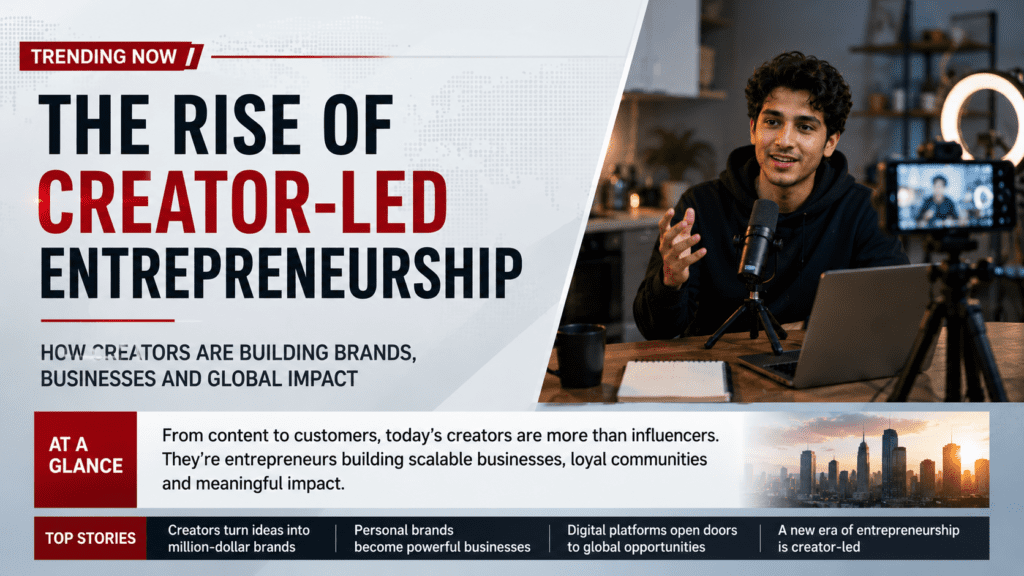
One of the strongest influences on young entrepreneurs today is the creator economy. Over the past few years, young people have watched creators transform themselves into startup founders, investors, operators, and business owners. This completely changed how careers are viewed.
One of the strongest influences on young entrepreneurs today is the creator economy. Over the past few years, young people have watched creators transform themselves into startup founders, investors, operators, and business owners. This completely changed how careers are viewed.
Today, creators can build audiences, launch products, create communities, attract partnerships, and scale businesses online. As a result, entrepreneurship and content creation are becoming deeply connected.
Modern founders are not just building companies anymore. They are also building audiences, personal brands, ecosystems, and communities.
This creator-founder model is becoming increasingly popular among Gen-Z entrepreneurs because it combines both influence and ownership together.
Young Founders Want Faster Growth
Traditional career systems are usually slow. Promotions, salary growth, and leadership opportunities often take years.
But Gen-Z grew up in a fast-moving internet environment where growth happens quickly.
A single viral video, startup launch, product idea, or social media strategy can completely transform someone’s career within months. Entrepreneurship aligns perfectly with this fast-paced culture.
Young founders prefer rapid experimentation, public learning, quick execution, and constant iteration. They are comfortable adapting quickly and changing direction when needed. Instead of waiting until their 40s for freedom, many young entrepreneurs want to create impact and independence early in life.
Failure Is No Longer Seen as the End
Earlier generations often feared business failure because society viewed it negatively. Starting a company and failing was considered risky and embarrassing. But internet culture changed that completely. Today, founders openly talk about:
- Failed startups
- Rejected ideas
- Burnout
- Pivots
- and rebuilding journeys
This transparency normalized experimentation. Young entrepreneurs now understand that failure is often part of growth. Instead of avoiding risk completely, they focus on learning quickly and improving continuously.
This cultural shift made entrepreneurship feel less intimidating for the younger generation.
Ownership Matters More Than Ever
One of the biggest reasons why Gen-Z prefers entrepreneurship is ownership. In traditional jobs, employees help build someone else’s vision. But entrepreneurship allows people to create assets that belong to them.Ownership gives young entrepreneurs creative freedom, financial upside, long-term leverage, and stronger emotional motivation. Every customer, project, product, or community becomes personally meaningful.
That emotional connection creates a level of motivation that many traditional work environments cannot replicate. Young founders do not just want salaries anymore. They want equity, leverage, influence, and long-term growth opportunities.
Conclusion
Young entrepreneurs are not rejecting stability because they dislike responsibility or hard work. They are rejecting outdated definitions of success and security.
For Gen Z, real stability comes from adaptability, digital skills, ownership, audience building, and the ability to create opportunities independently.
The internet, AI, creator economy, and startup culture have completely changed how young people think about careers and business.
Today’s entrepreneurs want more than predictable salaries. They want freedom, flexibility, creativity, impact, and control over their future.
As technology continues evolving, this shift will only become stronger. The next generation of entrepreneurs will not simply build companies. They will build communities, ecosystems, personal brands, and independent lifestyles that redefine the future of work itself.