The idea of living a long life has always been appealing. But today, the conversation
has changed. It is no longer just about adding years—it is about how those years are
experienced.
More people are asking a different question now:
How can I feel better, for longer?
Looking beyond quick fixes
In the past, wellness was often approached through short-term efforts—strict routines,
sudden changes, or temporary fixes. While these can be effective for a while, they are
often difficult to sustain.
What is emerging now is a more balanced approach. Instead of dramatic shifts, people
are focusing on habits that are simple enough to maintain over time.
These include:
- Eating in a more mindful way
- Moving regularly, even in small amounts
- Taking breaks to reset during the day
- Choosing what to drink more carefully
The idea of everyday wellness
Wellness is gradually becoming less about specific goals and more about daily
experience. It is reflected in how you feel when you wake up, how you move through
your day, and how you wind down in the evening.
Small actions when repeated consistently begin to shape this experience.
The place of tea in this lifestyle
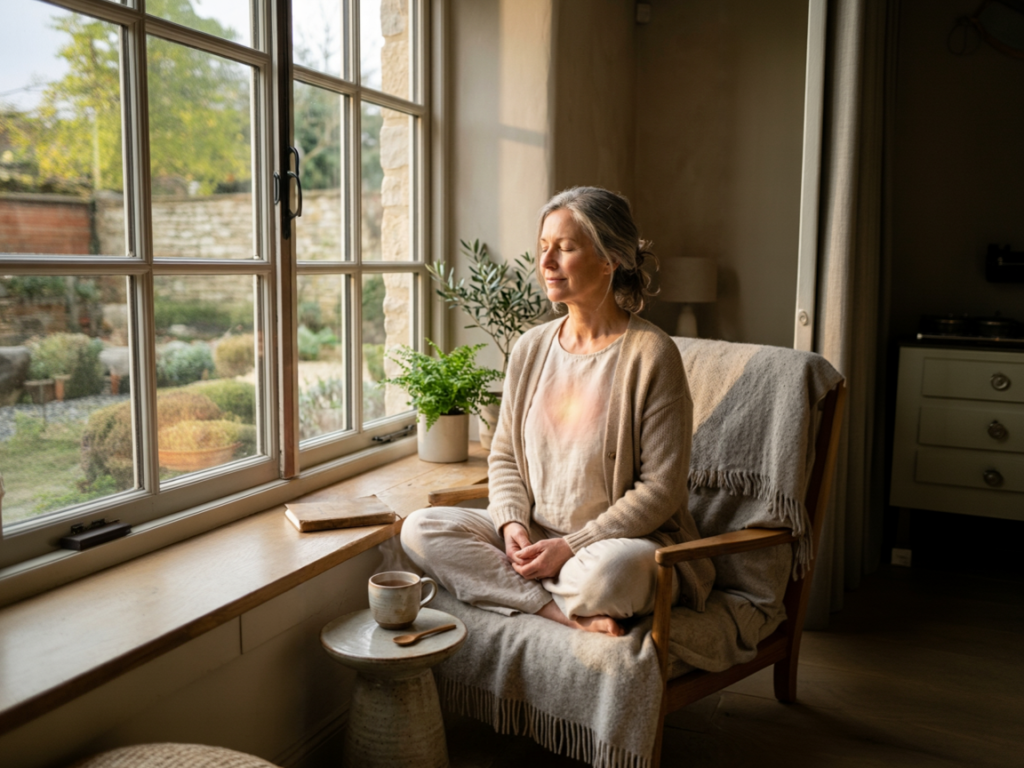
Tea fits easily into this mindset because it requires no major adjustment. It is already a
familiar part of many routines, which makes it easier to adopt more consciously.
For some, tea becomes:
- A gentle start to the morning before the day begins
- A pause between tasks to regain focus
- A calming activity that signals the end of the day
It offers a moment of stillness without needing to step away from daily life completely.
The importance of slowing down
One of the most valuable aspects of tea is that it naturally encourages a slower pace. Even if just for a few minutes, it creates space to step back. In a fast-moving environment, these moments can feel surprisingly significant.
A gradual shift in perspective
Longevity, in its simplest form, is about continuity maintaining a sense of balance over time. It is less about doing everything perfectly and more about doing small things
consistently. And often, those small things are the ones that fit quietly into your everyday
routine—like a cup of tea.