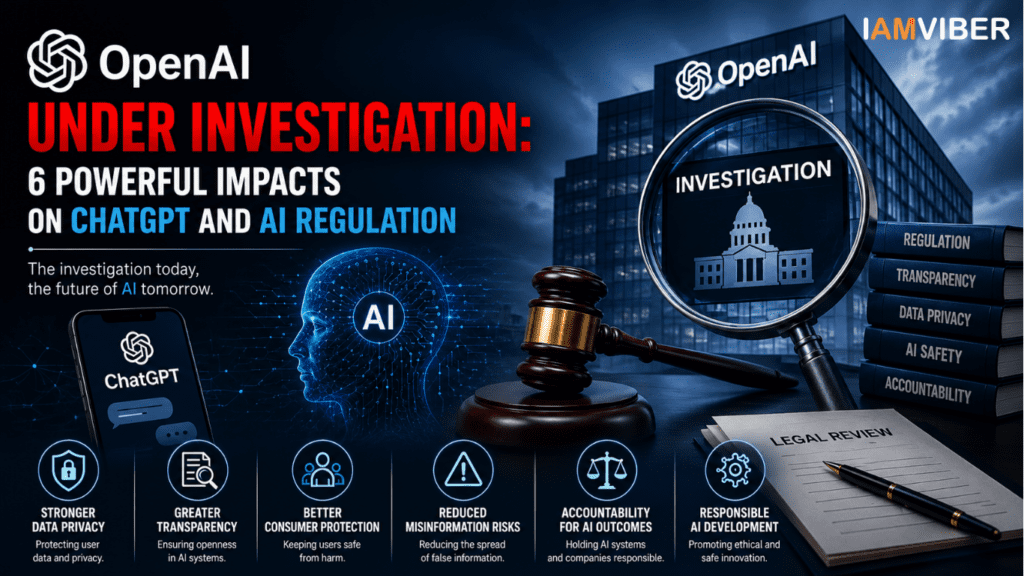
The ChatGPT maker faces growing scrutiny as regulators examine AI safety, privacy, and consumer protection
Artificial intelligence has transformed from a niche technology into a global force shaping how people work, learn, create, and communicate. At the center of this revolution is OpenAI, the company behind ChatGPT. Now, OpenAI is facing one of its most significant regulatory challenges yet as reports indicate that a coalition of U.S. state attorneys general has launched an investigation into the company’s practices.
The development has sparked widespread discussion across the technology industry, with experts, investors, businesses, and policymakers closely watching what could become a defining moment for AI regulation in the United States. While investigations do not automatically imply wrongdoing, the scrutiny reflects growing concerns about how AI companies operate, collect data, engage users, and manage the societal impact of increasingly powerful AI systems.
Why Is OpenAI Being Investigated?
OpenAI Investigation Explained
Multiple state attorneys general are examining aspects of OpenAI’s operations. The investigation reportedly includes requests for information related to consumer protection, user engagement, data practices, and the impact of AI technologies on different groups of users.
As AI adoption continues to accelerate, regulators around the world are paying closer attention to how companies develop and deploy these systems. Governments are increasingly interested in understanding whether existing laws adequately address the unique challenges posed by artificial intelligence.
Why is OpenAI under investigation?
The reported investigation comes at a time when OpenAI has become one of the most influential technology companies globally. ChatGPT is used by hundreds of millions of people, and AI-powered tools are becoming integrated into education, healthcare, business operations, customer service, and creative industries.
The Growing Regulatory Focus on Artificial Intelligence
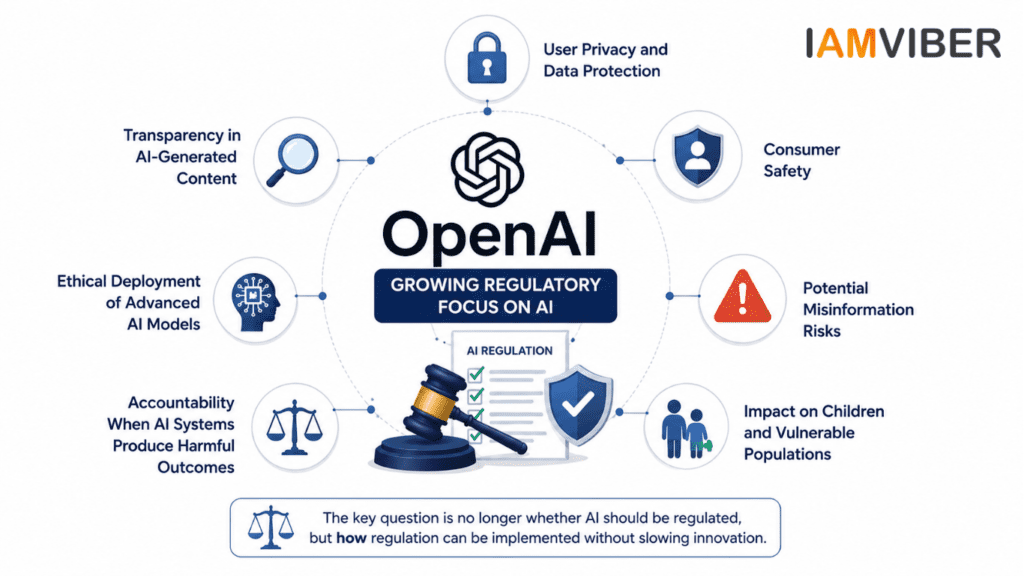
The OpenAI investigation is part of a broader trend rather than an isolated event. Across the world, regulators are working to establish frameworks that balance innovation with accountability. Several concerns have emerged as AI systems become more capable:
- User privacy and data protection
- Transparency in AI-generated content
- Consumer safety
- Potential misinformation risks
- Impact on children and vulnerable populations
- Ethical deployment of advanced AI models
- Accountability when AI systems produce harmful outcomes
- These concerns have led lawmakers and regulators to increase oversight of major AI companies. For many experts, the key question is no longer whether AI should be regulated but how regulation can be implemented without slowing innovation.
Why OpenAI Matters More Than Most AI Companies
OpenAI occupies a unique position within the artificial intelligence ecosystem.
The company’s flagship product, ChatGPT, helped bring generative AI into the mainstream. Before ChatGPT’s launch, artificial intelligence was largely viewed as a specialized technology used by researchers and large enterprises. Today, AI tools are used daily by students, entrepreneurs, marketers, software developers, and corporate teams worldwide.
Because of OpenAI’s influence, regulatory actions involving the company often have implications far beyond a single organization. Any findings, recommendations, or future compliance requirements could influence how the broader AI industry operates.
This is one reason why news of the investigation attracted significant attention from technology analysts and investors.
The Role of Consumer Protection
One major area reportedly being examined involves consumer protection.
As AI-powered platforms become increasingly sophisticated, regulators want to understand how users interact with these systems and whether consumers receive adequate transparency regarding AI-generated information. Questions often raised by policymakers include:
- Are users clearly informed when content is AI-generated?
- How are user interactions stored and processed?
- What safeguards exist to prevent misuse?
- How are potentially harmful outputs addressed?
- What measures protect minors from inappropriate content?
- These questions are not unique to OpenAI. They apply broadly across the artificial intelligence industry. However, because OpenAI operates one of the world’s most widely used AI platforms, its policies and practices naturally attract heightened scrutiny.
The Data Privacy Debate
Data privacy remains one of the most important issues in modern technology.
Consumers are increasingly aware of how personal information is collected, stored, and utilized by digital platforms. As AI systems become more advanced, concerns regarding data usage continue to grow.
Regulators worldwide have introduced stricter privacy laws over the past decade, and AI companies must navigate a complex regulatory environment. The OpenAI investigation highlights how data governance has become a central issue in discussions surrounding artificial intelligence.Businesses deploying AI technologies are also paying close attention because future regulatory decisions could influence compliance requirements across multiple industries.
Impact on the AI Industry
The significance of this investigation extends beyond OpenAI itself.
Major technology companies are investing billions of dollars into artificial intelligence infrastructure, research, and product development. Organizations such as Microsoft, Google, Meta, Amazon, and numerous startups are competing to establish leadership positions in the rapidly evolving AI market. If regulators introduce new standards or guidelines as a result of ongoing investigations, those requirements could affect the entire industry. Potential areas of future regulation may include:
- AI transparency standards
- Disclosure requirements
- User safety protocols
- Data management practices
- Risk assessment frameworks
- Independent auditing procedures
- As a result, industry leaders are closely monitoring developments.
OpenAI has indicated that it intends to cooperate with regulators and engage constructively throughout the process.
This approach is common among major technology companies facing regulatory review. Cooperation helps organizations demonstrate transparency while allowing regulators to gather information necessary for their assessments. At this stage, the investigation remains ongoing, and no final conclusions have been announced. It is important to note that investigations are designed to collect information and evaluate compliance with applicable laws. The existence of an investigation does not necessarily indicate violations have occurred.
What This Means for ChatGPT Users
Why the OpenAI Investigation Matters
For everyday users of ChatGPT, the immediate impact is likely to be limited. The platform continues to operate normally, and there have been no announcements suggesting disruptions to service availability. However, over the longer term, regulatory developments could influence:
- Privacy disclosures
- User consent mechanisms
- Safety features
- Transparency policies
- Data handling procedures
- Content moderation practices
- Many experts believe stronger governance frameworks could ultimately increase public trust in AI technologies.
The Future of AI Regulation
Artificial intelligence is advancing faster than many regulatory systems were originally designed to accommodate. This creates challenges for governments seeking to protect consumers while encouraging innovation.
The OpenAI investigation reflects a larger shift toward more active oversight of AI companies. Policymakers increasingly recognize that artificial intelligence is becoming a foundational technology with significant economic and social implications. Future regulations may focus on balancing three critical objectives:
1. Supporting innovation and competitiveness
2. Protecting consumers and vulnerable populations
3. Ensuring transparency and accountability
Finding the right balance will likely remain one of the defining policy challenges of the next decade.
The reported investigation into OpenAI marks an important moment in the evolution of artificial intelligence governance. As AI becomes more deeply integrated into everyday life, regulators are seeking greater visibility into how these powerful systems are developed and deployed. Whether the investigation ultimately leads to new regulations, updated compliance standards, or simply increased oversight, it highlights a reality that is becoming increasingly clear: artificial intelligence is entering a new era of accountability.
For OpenAI, the outcome could shape its future operations. For the broader technology industry, the investigation may provide an early glimpse into how governments intend to regulate the next generation of AI innovation.
Topics to follow: Current Affairs & Insights Tech Innovation GenZ entrepreneurship Collaborative Fashion GEO AI Agentic SME