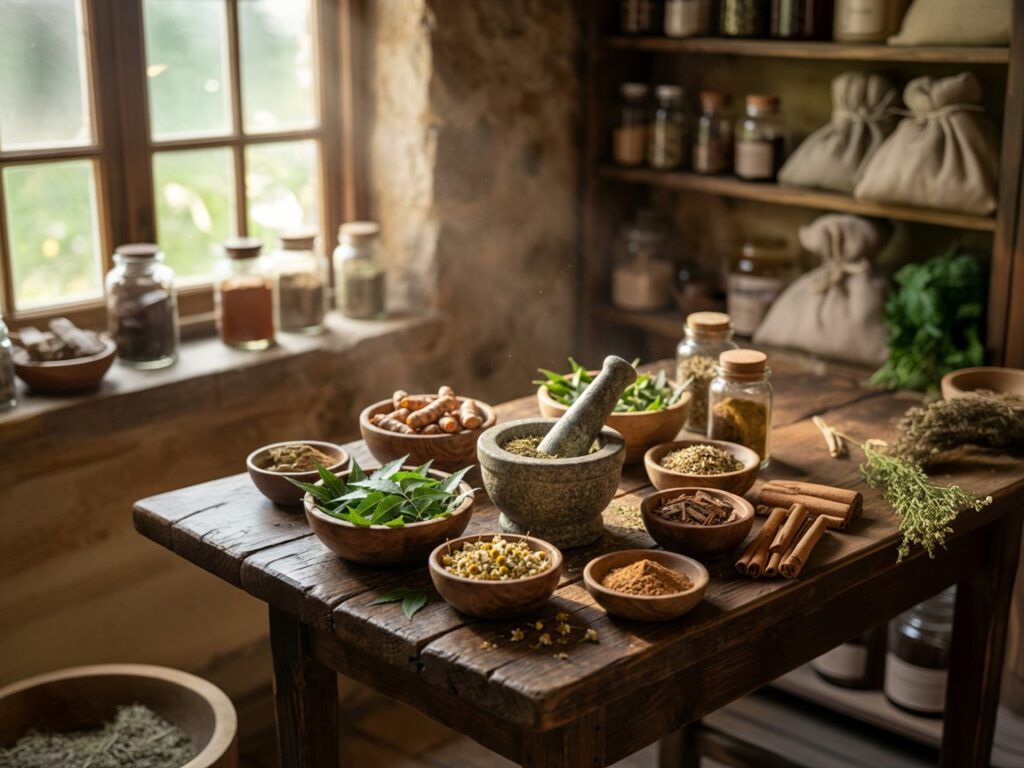
There was a time when natural ingredients were a regular part of daily life. Simple herbs were
used in kitchens, remedies were passed down through generations, and wellness was closely
connected to what was already available at home.
Over time, many of these practices were set aside as modern alternatives became more
common. But recently, there has been a noticeable return to these traditional ingredients.
A renewed sense of familiarity
People are once again turning to ingredients like tulsi, ginger, turmeric, and amla—not as
something new, but as something remembered.
There is a certain comfort in using ingredients that feel familiar. They carry a sense of continuity,
connecting the present with the past.
Why this return is happening now
Several subtle shifts are contributing to this trend:
- A growing interest in natural and minimally processed options
- Increased awareness about what goes into everyday products
- A desire to reconnect with traditional knowledge
In many ways, it reflects a broader search for simplicity.
From home remedies to daily routines
What has changed is not just the use of these ingredients, but how they are being incorporated.
Instead of being used occasionally, they are now becoming part of everyday habits. One of the
most common ways this is happening is through teas and infusions.
This approach makes it easier to:
- Enjoy these ingredients regularly
- Integrate them into busy schedules
- Experience them in a more consistent way
Balancing tradition with convenience
Modern life often requires convenience, but that does not mean tradition has to be left behind.
Instead, the two are being combined.
Traditional ingredients are being adapted into formats that are easier to use, without losing their
essence.
A quiet rediscovery
This shift is not loud or dramatic. It is gradual and personal. People are rediscovering what was
always available, but perhaps overlooked.
And in doing so, they are finding ways to bring a sense of balance back into their routines.