Introduction
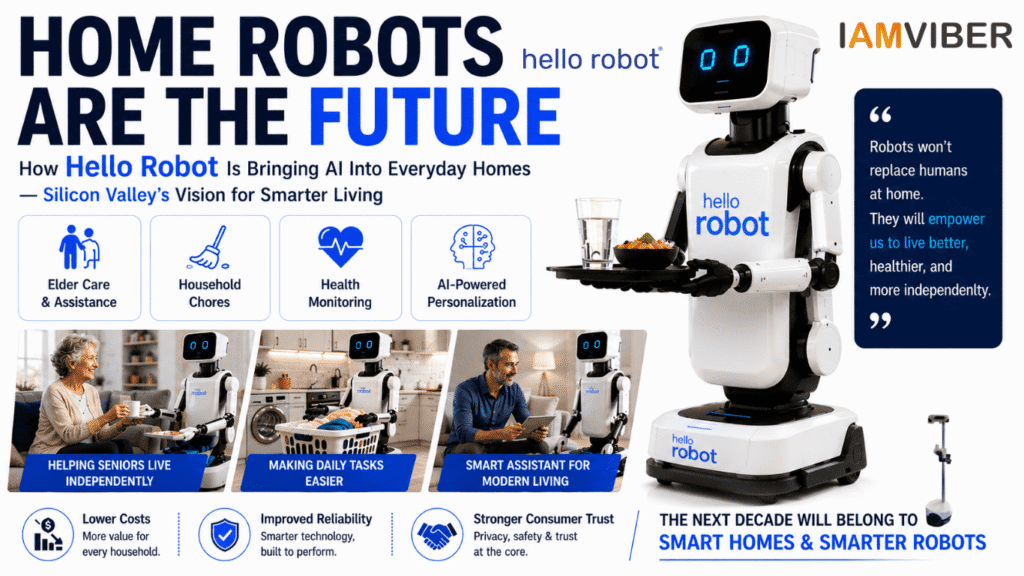
For decades, home robots have existed mostly in science fiction. From robotic assistants in futuristic movies to AI-powered humanoids in tech demonstrations, the idea of having a robot helper at home has fascinated people worldwide. In 2026, that vision is moving closer to reality as robotics companies race to bring intelligent machines into everyday households.
One company leading this shift is Hello Robot, a California-based robotics startup that has taken a different approach from flashy humanoid robot projects. Instead of focusing on futuristic appearances, the company is building practical robots designed to help real people in real homes. Its latest product, Stretch 4, is already being tested in home-care environments and is helping individuals with mobility challenges live more independently.
The question now is no longer whether home robots are possible. The real question is whether Silicon Valley—and consumers—are ready to welcome robots into their homes.
The Growing Race Toward Home Robotics
The robotics industry is experiencing a major transformation. Advances in artificial intelligence, machine learning, computer vision, and sensor technology have enabled robots to perform tasks that were once considered impossible.
Companies across the technology sector are investing billions into robotics development. The goal is simple: create machines that can assist humans with everyday tasks, reduce labor shortages, and improve quality of life.
Unlike industrial robots that work inside factories, home robots must operate in unpredictable environments. Every home is different. Furniture layouts change, pets move around unexpectedly, and people interact with objects in unique ways. This complexity has historically slowed the adoption of household robots.
However, recent advancements in AI are making these challenges easier to solve. As a result, 2026 is being viewed by many industry experts as a breakthrough year for home robotics.
Hello Robot was founded in 2017 by robotics experts Aaron Edsinger and Charlie Kemp. Unlike many robotics startups chasing fully humanoid designs, the company focuses on practical robotic assistance.
Its flagship robot, Stretch, is designed to operate safely around people while performing useful tasks inside homes, research facilities, and healthcare environments. The latest version, Stretch 4, represents years of development aimed at creating a robot that prioritizes functionality over appearance.
The company believes that useful robots do not necessarily need legs, human-like faces, or advanced humanoid bodies. Instead, they need reliable mobility, object manipulation capabilities, and safe interaction with people.
Practical Design Over Humanoid Looks
Many robotics companies are building humanoid robots that resemble people. Hello Robot has chosen a different path. Stretch 4 features:
- A wheeled mobile base
- A telescoping robotic arm
- Advanced sensors and cameras
- A compact and lightweight structure
- Safe operation around humans
- Rather than trying to mimic human movement, Stretch focuses on completing practical tasks efficiently. This design reduces complexity, improves safety, and lowers manufacturing costs.
Human-in-the-Loop Operation
One of Stretch’s most interesting features is that users remain in control. People can operate the robot through a smartphone or voice-controlled interface. Instead of replacing human decision-making, the robot extends a user’s physical abilities. This approach is especially beneficial for individuals with disabilities and mobility impairments.
Real-World Use Cases Already Exist
Unlike many robotics projects that remain confined to laboratories, Stretch is already working inside real homes.
Helping Individuals With Disabilities
One notable user is quadriplegic investor Keith Platt, who uses Stretch to perform everyday tasks independently. Activities such as:
- Retrieving objects
- Serving drinks
- Handling personal items
- Handling personal items Managing household interactions
- can now be completed with minimal assistance. This level of independence can significantly improve quality of life.
Supporting Elder Care
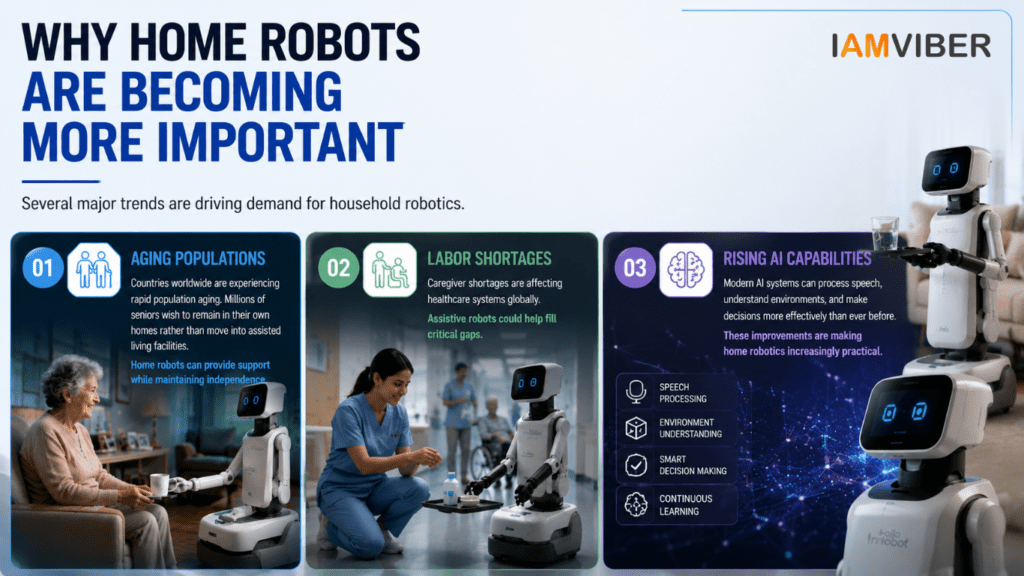
Stretch is also being used in aging-care programs. As populations continue to age globally, caregiver shortages are becoming a serious challenge. Robots like Stretch can assist by:
- Providing medication reminders
- Guiding exercise routines
- Supporting daily schedules
- Helping with simple household tasks
- These functions allow elderly individuals to remain in their homes longer while reducing caregiver burden.
Why Home Robots Are Becoming More Important
Several major trends are driving demand for household robotics.
The Challenges Facing Home Robotics
Despite the excitement, significant obstacles remain.
High Costs
Stretch 4 currently costs approximately $30,000. While affordable compared to many industrial robots, this price remains out of reach for most households.
Safety Concerns
Home robots operate near children, pets, and elderly individuals. Manufacturers must ensure that robots can: Avoid collisions, Handle objects safely, Respond appropriately to unexpected situations. Safety remains one of the industry’s biggest priorities.
Privacy Issues
Many home robots rely on cameras, microphones, and sensors. Consumers often worry about: Data collection, Surveillance risks, Cybersecurity vulnerabilities. Companies will need transparent privacy policies to build trust.
How Hello Robot Differs From Silicon Valley's Bigger Players
While companies such as Tesla, Figure AI, and 1X Robotics are developing humanoid robots, Hello Robot is focused on solving today’s problems rather than pursuing futuristic visions. Its philosophy is simple:
- Deploy robots now
- Learn from real-world environments
- Improve through actual user feedback
- This strategy may prove more effective than waiting years for fully autonomous humanoids to become practical.
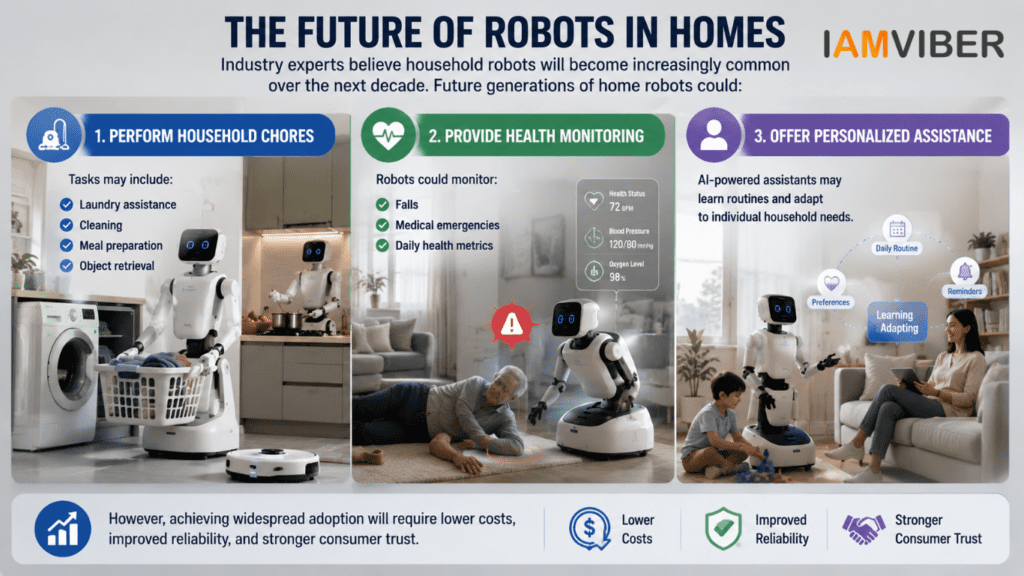
The Future of Robots in Homes
Industry experts believe household robots will become increasingly common over the next decade. Future generations of home robots could:
Is Silicon Valley Ready?
The answer appears to be yes.
Investors are funding robotics startups at unprecedented levels. AI advancements continue accelerating. Real-world deployments are increasing, and companies like Hello Robot are proving that useful home robots are no longer theoretical concepts.
However, widespread adoption will not happen overnight. Today’s robots remain expensive and limited compared to human capabilities. What is changing is that companies are finally moving beyond demonstrations and beginning to place robots inside actual homes where they can provide measurable value. That transition marks an important milestone for the robotics industry.
Conclusion
Hello Robot represents a practical vision for the future of home robotics. Rather than chasing science-fiction fantasies, the company is building machines that solve real-world problems today.
Its Stretch 4 robot demonstrates how robotics can improve independence, support aging populations, and assist individuals with disabilities. While challenges such as cost, safety, and privacy remain, the technology is advancing rapidly.The dream of having a helpful robot at home may not be fully realized yet, but it is closer than ever before. If current trends continue, the next decade could transform robots from experimental technology into everyday household companions.