Introduction
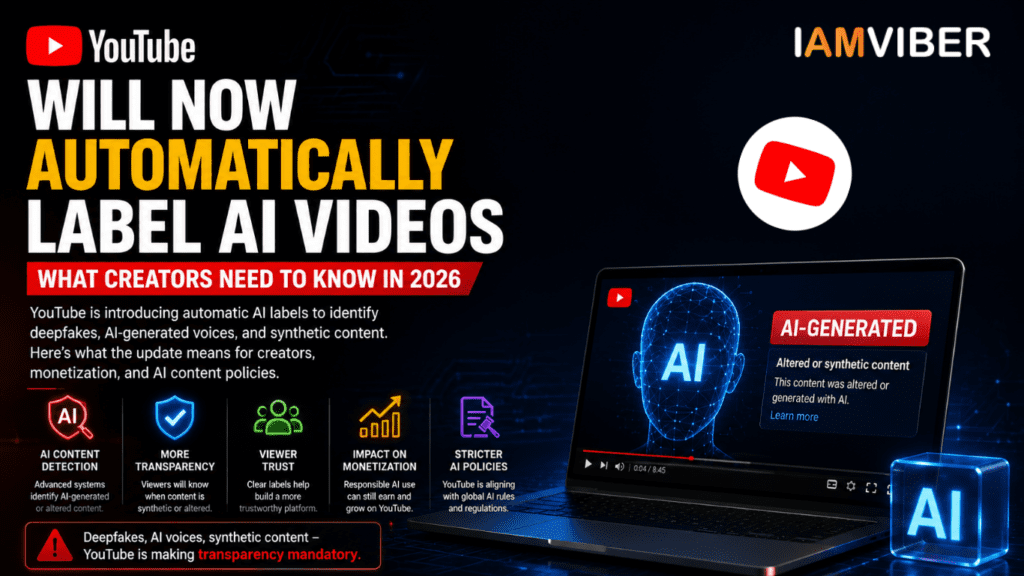
YouTube has officially started expanding its AI content transparency rules, and the platform is now moving toward automatically labeling AI-generated or AI-altered videos. With the rapid rise of AI tools, creators can now generate realistic voices, faces, videos, and even full virtual characters. While this has opened new creative opportunities, it has also increased concerns around misinformation, deepfakes, and fake news.
To improve transparency and viewer trust, YouTube is introducing AI disclosure labels that inform users when a video contains realistic AI-generated content.
This update is becoming one of the biggest changes for content creators, AI video makers, marketers, and digital media companies in 2026.
What Are YouTube AI Labels?
YouTube AI labels are disclosure tags that indicate when a video includes AI-generated or heavily AI-modified content. These labels may appear on videos that use:
- AI-generated faces
- Deepfake voices
- Synthetic audio
- AI-generated visuals
- Realistic AI scenes
- AI avatars
- AI-enhanced news content
- Digitally altered human appearances
The goal is simple: viewers should know whether the content they are watching is real, edited, or AI-generated.
AI-generated content is growing rapidly across social media platforms. Many videos today look extremely realistic, making it difficult for viewers to identify what is genuine. YouTube introduced this policy mainly to improve transparency and reduce misleading content.
Main Reasons Behind the Update
To Reduce Misinformation
AI-generated videos can spread fake news very quickly. Labels help viewers understand when content may not represent real events.
To Fight Deepfakes
Deepfake technology has become highly advanced. Fake celebrity speeches, political videos, and manipulated interviews are increasing online.
To Improve Viewer Trust
People want transparency. Clear AI labels help users trust the platform more.
To Create Responsible AI Standards
YouTube wants creators to use AI ethically instead of using it to manipulate audiences.
To Stay Ahead of AI Regulations
Governments worldwide are discussing AI laws and disclosure requirements. YouTube is preparing for stricter global AI regulations.
How Will YouTube Detect AI Videos?
YouTube will use both creator disclosures and automatic detection systems.
Creator Self-Disclosure
Creators uploading videos will be asked whether their content contains realistic altered or synthetic media. If AI tools were used significantly, creators are expected to disclose it during the upload process.
Automatic AI Detection
YouTube is also developing advanced systems that can automatically identify AI-generated content on the platform. Even if creators do not disclose the use of AI while uploading a video, YouTube may still add AI labels automatically through its own detection technology. The platform is expected to analyze several factors, including metadata, audio patterns, synthetic visuals, face manipulation, AI-generated voice patterns, and editing behavior. This means creators may not be able to avoid AI disclosure labels simply by skipping the manual disclosure process.
What Kind of Videos Will Get AI Labels?
Not every video will receive an AI tag. YouTube will mainly focus on videos that could realistically confuse viewers.
Videos Likely to Get Labeled
- Deepfake celebrity videos
- AI-generated interviews
- Fake political speeches
- AI-generated news clips
- Realistic AI humans
- AI voice cloning content
- AI-generated public event simulations
Videos Less Likely to Get Labeled
- Basic editing
- Color correction
- Simple AI filters
- Background cleanup
- Minor AI enhancements
- Non-realistic animation
- The main focus is realism and viewer confusion.
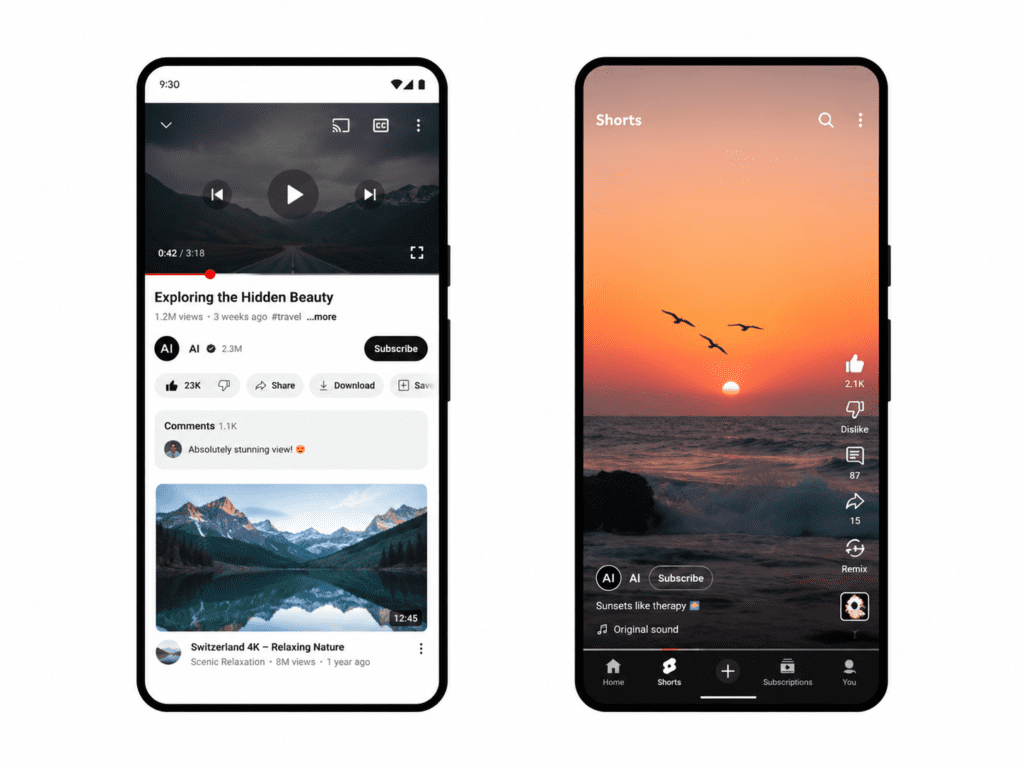
Will AI Labels Appear on YT Shorts?
Yes. YouTube Shorts will also display AI disclosure labels. Since Shorts are highly viral and consumed quickly, YouTube wants users to instantly recognize AI-generated content. Reports suggest that AI labels may appear directly on-screen or in the video description section. This is especially important because many viral AI videos are now being distributed through short-form content.
Will AI Labels Affect Monetization?
Currently, YouTube has not said that AI content will automatically lose monetization. However, low-quality or misleading AI spam content may face restrictions.
Monetization Risks for AI Creators
AI creators may face monetization issues if they upload repetitive AI spam, use misleading deepfakes, create fake news content, violate misinformation policies, or repost automated AI videos without originality. YouTube is expected to prioritize authentic and valuable content over mass-produced AI uploads.
Good AI Content Can Still Earn Revenue
Creators using AI responsibly can still monetize their content successfully on YouTube. Content such as AI storytelling, educational AI videos, AI-assisted editing, creative animations, AI marketing videos, and AI documentaries can continue earning revenue if they provide originality and real value to viewers. YouTube’s focus is not on banning AI content, but on encouraging high-quality, creative, and transparent use of AI tools.
What Does This Mean for Content Creators?
This update marks a major shift for creators who regularly use AI tools to make content. On the positive side, better transparency may help creators build stronger audience trust by openly disclosing AI usage, while stricter policies could reduce spam AI channels and improve overall content quality on YouTube. The update also encourages more ethical and creative use of AI tools. However, there may also be challenges for creators producing mass-generated AI content, as YouTube could increase pressure on low-quality AI channels. Additionally, automated systems may sometimes incorrectly label videos, and YouTube is expected to continue tightening its AI-related policies in the future.
Why This Update Matters for the Future of Social Media
YouTube’s AI labeling system may influence the entire social media industry. Other major platforms are also increasing AI transparency efforts, including:
As AI-generated media becomes more advanced, transparency labels may soon become standard across the internet. This could reshape:
- Digital marketing
- Influencer content
- Online news
- Entertainment
- Advertising
- Political communication
What This Means for the Future of Content Creation
YouTube is actively expanding AI disclosure systems and moving toward automatically labeling AI-generated videos. The company wants to improve transparency, reduce misinformation, and help viewers identify realistic AI content. For creators, this does not mean AI content is banned. Instead, it means ethical AI usage and proper disclosure are becoming more important than ever.
As AI continues to shape the future of digital content, platforms like YouTube are trying to ensure viewers remain informed about what they are watching.