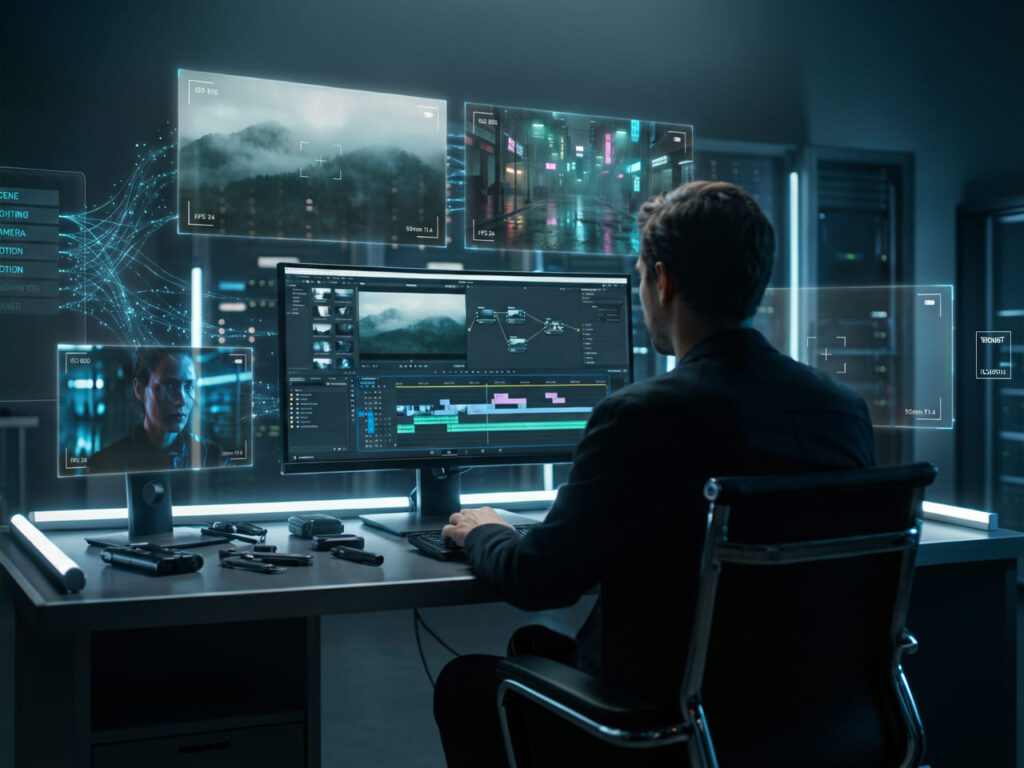
Operational video development is quickly becoming one of the most valuable skills in the AI-driven content creation era. Advances in tools like Runway ML and Pika Labs mean creators are no longer limited to expensive cameras, staff, and production rigs. Instead, they can generate cinematic videos using structured text prompts that define scenes, camera angles, lighting, and motion. This shift has made keywords like prompt engineering for video, AI video generation, and text-to-video workflows highly relevant for creators, marketers, and filmmakers aiming to stay ahead in digital production.
The core of operational design is effectively communicating creative intent to artificial intelligence systems. Well-designed cues include clear descriptions of objects, environmental details, camera movements, and stylistic direction. For example, specifying things like “Movie Lighting”, “Golden Hour”, and “Slow Motion Frame Tracking” will significantly improve the quality of your output. Platforms like Sora are designed to interpret these detailed clues and transform them into visually appealing sequences. This allows users to iterate quickly, experiment with multiple options, and refine results without traditional rework, making the production process faster and more cost-effective.
As artificial intelligence continues to transform video production, rapid design is becoming a hybrid skill combining creativity and technical understanding. It allows people to think like directors and work like programmers, bridging the gap between imagination and execution. Whether you’re creating social media content, advertising campaigns, or film stories, mastering operational design can dramatically improve the quality of your production and the efficiency of your workflow. In the near future, this skill will be important for anyone working in digital media, as operational design becomes the basis for modern video production using artificial intelligence.