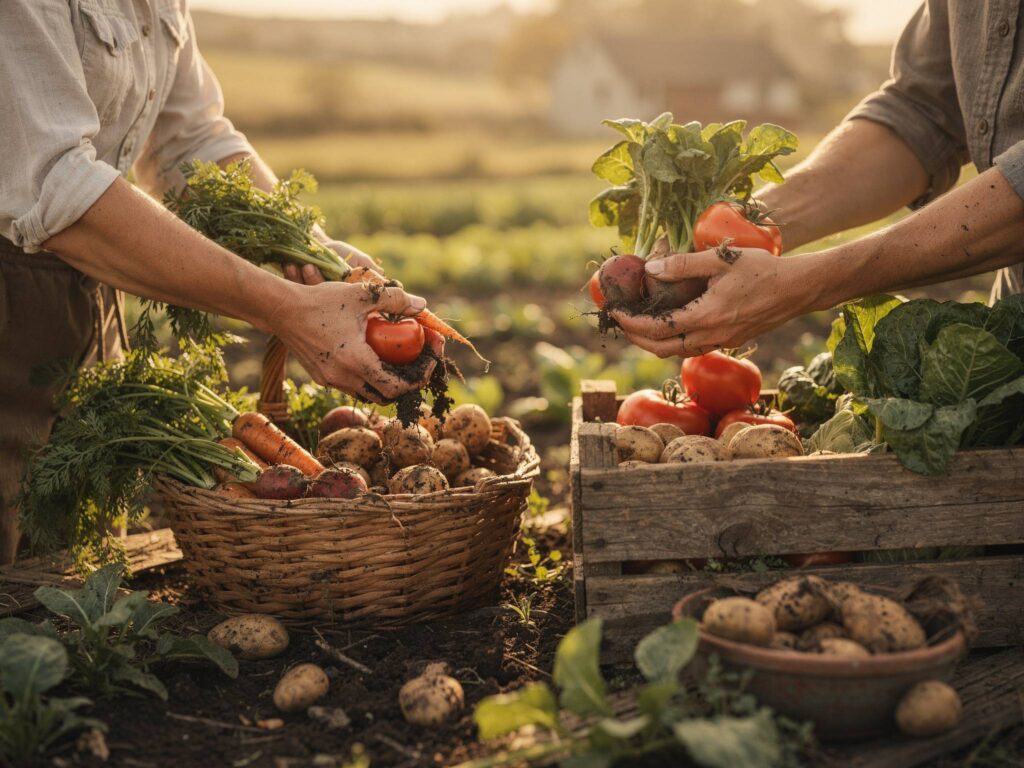
For most of human history, food moved through very short journeys. It passed from fields to homes, from hands that grew it to hands that cooked it. Trust was built into the system because distance was limited, and accountability was personal.
Over the last few decades, this relationship has changed dramatically. Modern food systems are designed for scale, speed, and uniformity. A single food item may pass through multiple intermediaries—aggregators, processors, transporters, warehouses—before reaching a consumer. Each step adds efficiency, but also distance.
With this distance comes uncertainty. Consumers rarely know how food was grown, how long it was stored, or how many processes it underwent. Labels attempt to fill this gap, but they often describe compliance rather than context. They explain what was added or removed, not how decisions were made along the way.
Research into global food systems shows that longer supply chains often prioritise shelf life and appearance over nutritional retention. Produce is bred to survive transport, not necessarily to nourish. Grains are refined to improve storage stability, reducing fibre and micronutrients in the process.
In contrast, traditional food systems were shaped by constraints. Crops had to grow in local soil, withstand local climate, and feed the same people who grew them. There was little incentive to compromise quality, because the consequences were immediate and personal.
Re-examining these older systems is not about rejecting modern logistics. It is about recognising that efficiency alone cannot replace trust. Food, at its core, is not just a commodity—it is a relationship between land, people, and nourishment.