The influencer world has always lived on a thin line between inspiration and illusion, but lately
that line has snapped. Audiences are finally calling out what many suspected for years: a lot of
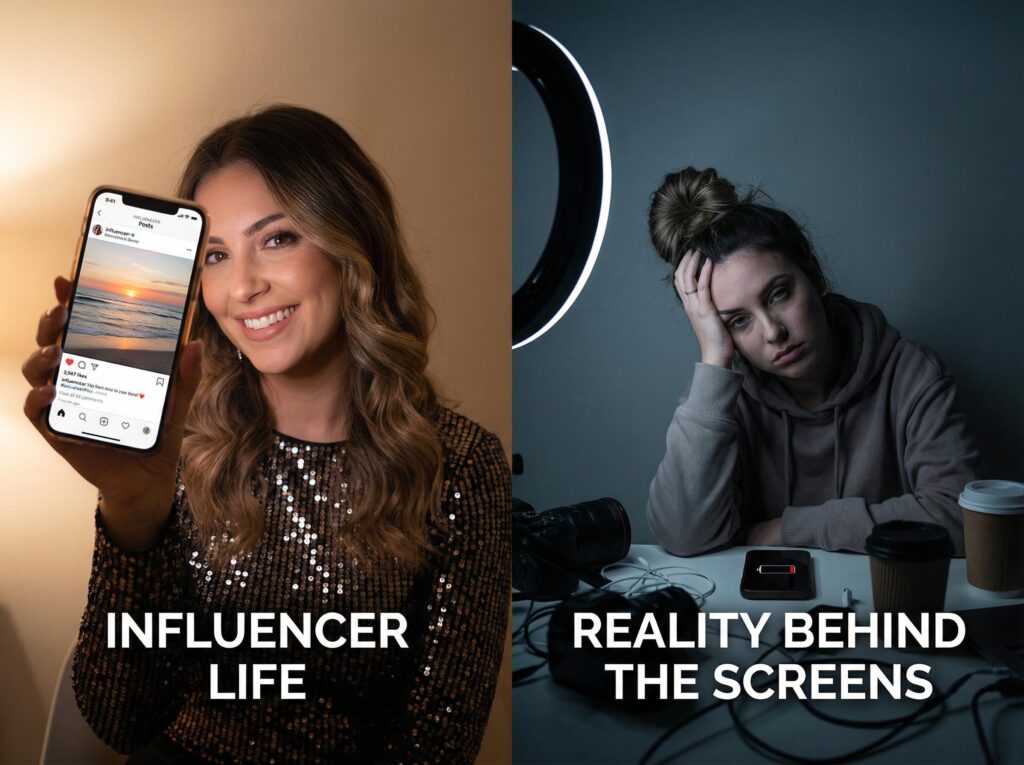
influencers aren’t sharing their “life”—they’re sharing a script. Perfect vacations, spotless rooms,
“no-makeup” selfies with three filters, emotional confessions filmed with ring lights—people are
tired of it. And the backlash is louder than ever.
The core of the controversy is simple: influencers want the benefits of realness without actually
being real. They sell authenticity but deliver curated perfection. They preach “self-love” but edit
their bodies. They talk about “hard work” but hide the team, sponsorships, and privileges that
make everything possible. Audiences are now calling it what it is—misleading, manipulative,
and at times, downright fake.
The tipping point came when viewers noticed how many influencers create problems just to film
the solution, or post dramatic stories only to promote a product the next day. The comments
section is becoming a battlefield. People question their lifestyles, their honesty, their morals,
even their mental-health content. Every glossy post is now met with suspicion: Is this real, or is
this another performance?
Influencers defend themselves by saying, “It’s just content.” But that excuse doesn’t hold
anymore. When millions follow them, when young people compare themselves to these filtered
realities, and when brands pay huge money based on “relatable” stories, the responsibility is
bigger than a simple post.
What’s happening now is a reset. Audiences want truth—messy, imperfect, unedited truth. They
are tired of the plastic life being sold as motivation. And if influencers can’t adapt, the backlash
will only grow. Because in a world overloaded with filters, authenticity has become the most
rebellious thing you can offer.