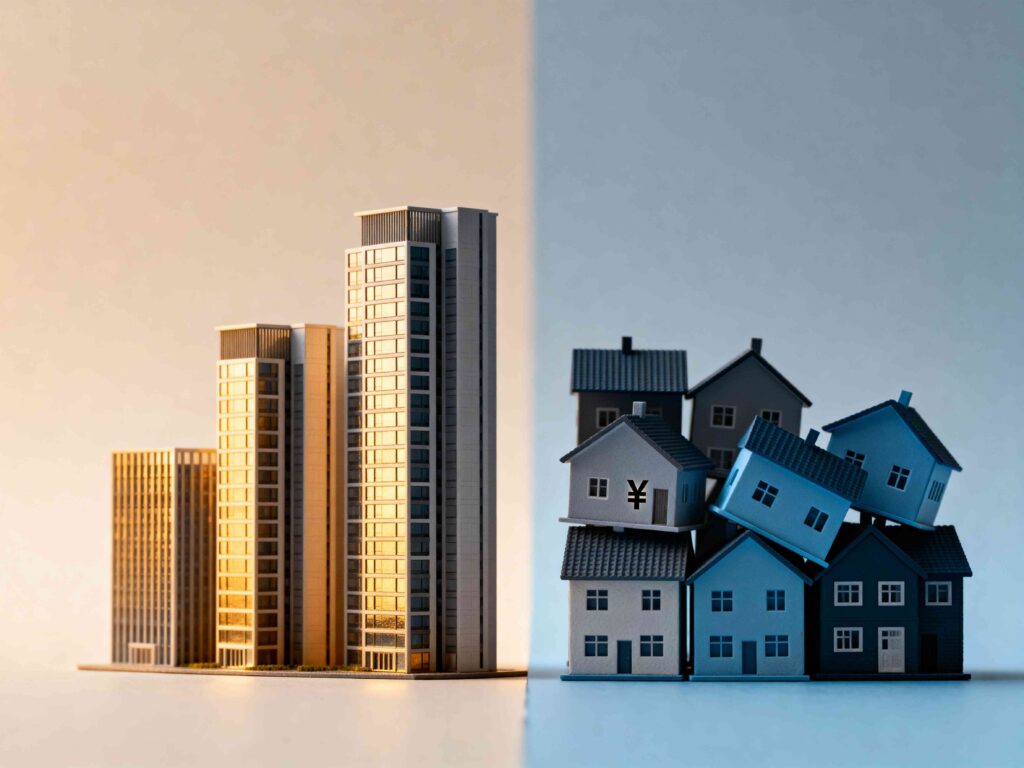
There’s a quiet storm brewing across the world, and no—it’s not about trends, aesthetics, or
online debates. It’s about the reality Gen Z is stepping into: a life where everything costs more,
stability feels like a luxury, and the future seems harder to afford than ever. Across major
cities—from New York to Mumbai to London—one thing is common: the rent graph is climbing,
salaries are barely matching inflation, and layoffs are hitting young workers the fastest. This has
created a global youth narrative that’s impossible to ignore: Gen Z is entering adulthood already
feeling “young and broke.
For many, the first job isn’t about ambition anymore—it’s about survival. Loan EMIs begin before
paychecks settle. College degrees feel heavier because they come with debt that takes years to
breathe under. Even with side hustles, freelancing, and digital gigs, the pressure keeps piling
up, and burnout is no longer a mid-career issue; it’s showing up by 22. What’s even more
surprising is that this isn’t an individual problem—it’s a structural one. Housing markets haven’t
been kind, job markets are unstable, and the cost of “basic living” has quietly doubled in the last
decade.
This has sparked a bigger debate about capitalism, the future of work, and what “success” even
means now. Gen Z isn’t chasing a house-with-a-garden dream anymore; they’re trying to secure
a life that feels safe, manageable, and mentally breathable. Many are rethinking traditional
careers, choosing remote work, turning towards entrepreneurship, or building skills that fit a
more flexible future. The crisis has forced a reset—but also inspired a different kind of
resilience.
In the middle of uncertainty, Gen Z is rewriting the rules: earn smarter, live smaller, invest earlier,
and build a life that prioritises mental stability over material pressure. The struggle is real—but
so is the shift they’re leading.