There’s a strange pattern unfolding across countries: billionaires, tech founders, and investment
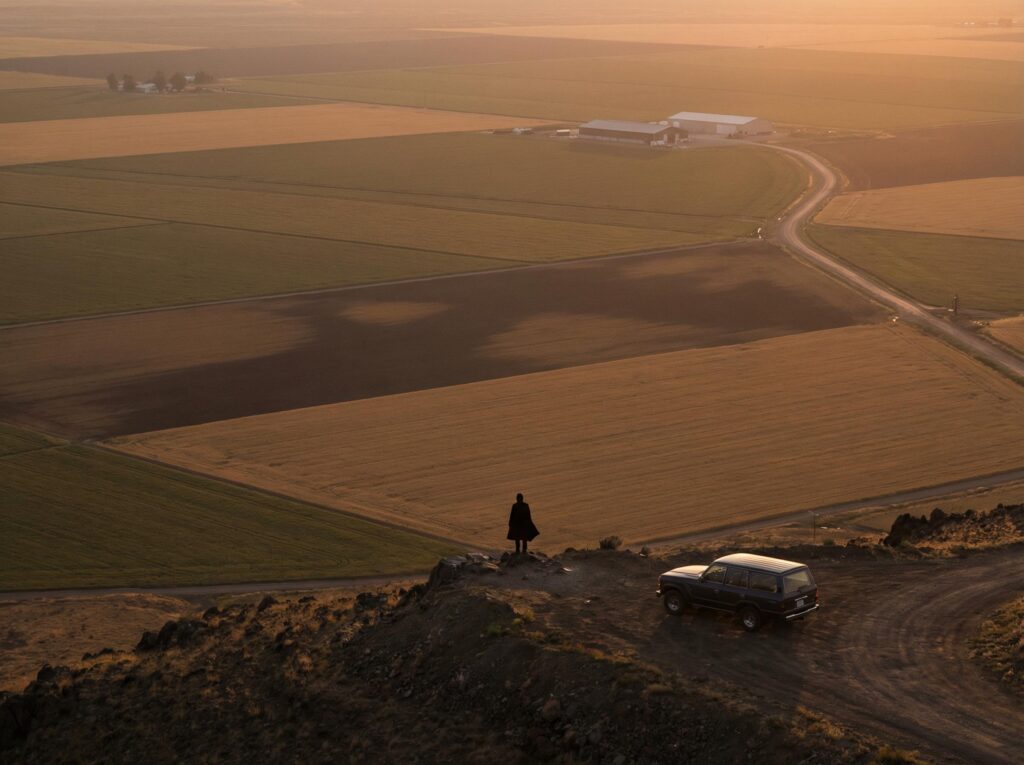
giants suddenly buying farmland like it’s the next luxury asset. They aren’t buying apartments,
startups, or fancy art. They’re buying soil. And people can pretend it’s “just investment”, but the
speculation is louder than ever — this is about long-term control over food, water, and survival
essentials.
For years, farmland was seen as a simple asset: crops, livestock, local business. But now, when
some of the world’s richest individuals start purchasing thousands of acres, people are asking
the obvious question — why? What do they know that everyone else doesn’t? If land was once
a farmer’s inheritance, how did it become a billionaire’s playground?
The controversy isn’t just about ownership. It’s about intention. Because when powerful people
start controlling the spaces that grow food, the entire supply chain shifts. They get to decide
what gets produced, who gets access, and at what cost. And that’s where public distrust kicks
in. Food has always been a basic right, but if it becomes a controlled commodity, the future
suddenly looks different.
Governments say it’s legal. Investors say it’s strategic. Economists say it’s smart. But ordinary
people see something else: a quiet monopolization of the most essential resource on the planet.
It doesn’t matter if the billionaire claims it’s for “sustainability” or “regenerative farming” — the
scale of these purchases raises questions that don’t have comfortable answers.
Every time land changes hands from farmers to corporations or wealthy individuals, the balance
of power shifts. And the more land they buy, the more people feel this is less about agriculture
and more about influence — maybe even control.
This isn’t just a business move. It’s a message. And it has already started the kind of
controversy nobody can ignore anymore.