What is Bamboo Fabric
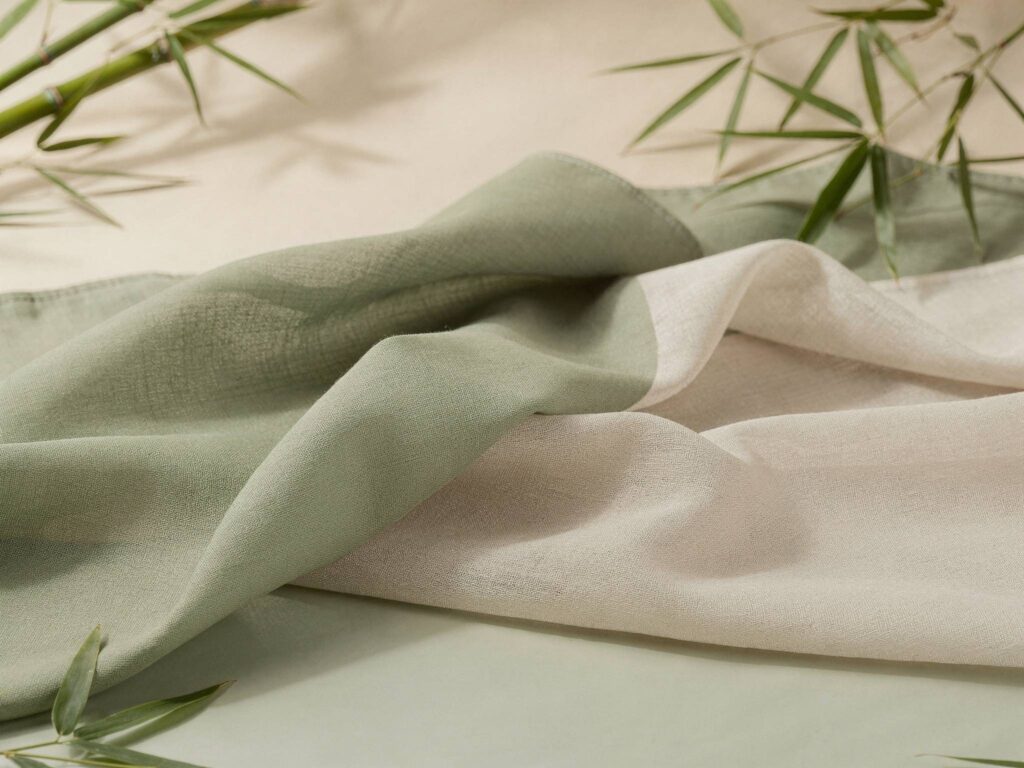
Bamboo fabric is a natural and eco-friendly fabric made from bamboo plant pulp. It is very soft feel , breathability ,and sustainable, It a popular choice in for fashion and home textile
Most modern bamboo clothing is actually made from bamboo viscose rayon, which is produced by breaking down bamboo cellulose into a solution and then spinning it into fibers.
Bamboo Fabric in the Indian Market
Bamboo fabric is becoming popular in sustainable fashion, premium innerwear, and home textiles. It is widely used by eco-conscious brands and exporters.
Benefits of bamboo fabric
- Extremely soft and silky
- Cool and Comfortable
- Breathable, absorbs moisture
- Durable
- Naturally sustainable
- Get softer with each wash
How is Bamboo Fabric made ?
The journey from a tall, woody stalk to a silky t-shirt is more complex than it seems
There are three primary ways to make bamboo Fabric
- The Mechanical Process (Bamboo Linen)
- The Chemical Process (Bamboo Viscose/Rayon)
- The Lyocell Process (The Eco-Friendly )
The Mechanical Process (Bamboo Linen)
Crushing – The woody parts of the bamboo plant are crushed into a mushy mass
Natural Retting – Natural enzymes are used to break down the plant’s cell walls, allowing the fibers to be separated
Combing – The long fibers are mechanically combed out and washed
Spinning – These fibers are then spun into yarn.
The Chemical Process (Bamboo Viscose/Rayon)
This is the most common method. It produces a very soft, silk-like fabric but uses harsh chemicals.
- Steeping - Bamboo chips are soaked in sodium hydroxide (caustic soda) to extract cellulose
- Pressing and Shredding - The cellulose is pressed into sheets and shredded
- Sulfurization - Carbon disulfide is added to turn the shreds into a "xanthate" gel
- Extrusion - The gel is pushed through a spinneret into a vat of sulfuric acid, which hardens the liquid into fine threads
The Closed-Loop Process (Bamboo Lyocell)
This is the modern method bridges the gap by being eco-friendly while still producing soft fabric
- Solvent dissolution - The non-toxic solvent (amine oxide) is used to dissolve the bamboo.
- Closed loop - 99% of the water and solvent used is recovered and recycled back into the production cycle
- Extrusion - Similar to viscose, the liquid is spun into fibers and woven
Conclusion
Bamboo fabric is a modern, sustainable textile solution that combines comfort, performance, and environmental responsibility. With rising awareness of eco-friendly fabrics in India, bamboo fabric is set to play a major role in the future of the textile and fashion industry.