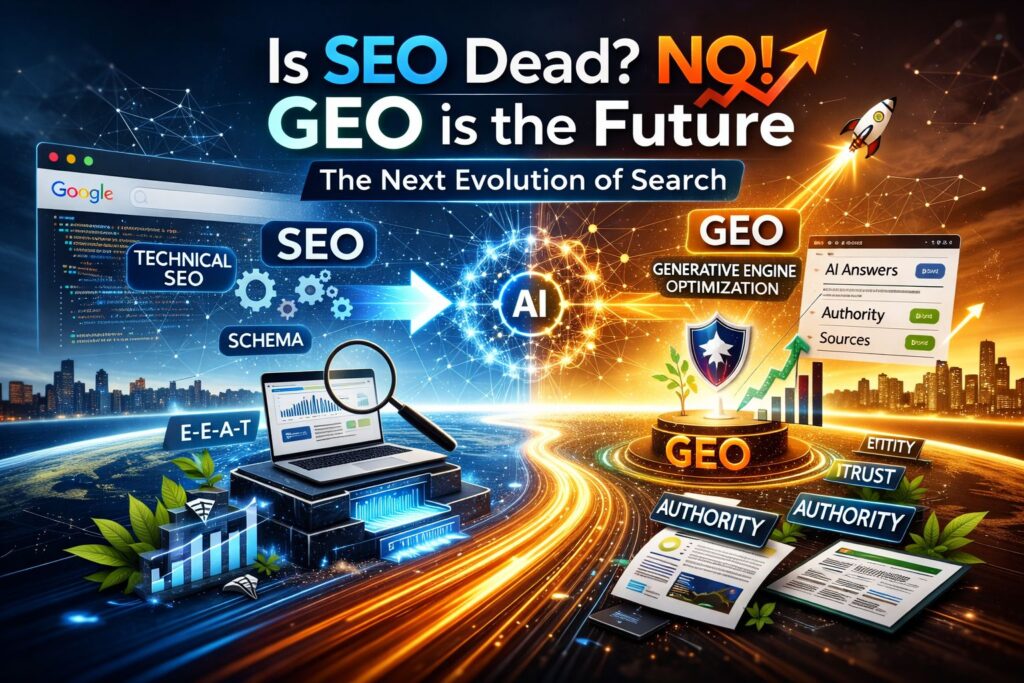
Optimizing websites for AI based search engines such as Google AI overviews,ChatGPT,perplexity and gemini etc.GEO uses AI algorithms to generate accurate information.
How AI Search Engines Work Differently
Traditional search engines primarily use keyword matching and backlinks to rank pages. AI search engines go beyond this by interpreting context, intent, and user behavior. For example, Google AI uses natural language processing to understand queries more like a human would. ChatGPT and similar models generate responses based on vast datasets, focusing on accuracy and relevance. This means websites must provide clear, well-structured content that AI can easily analyze and trust. GEO, a platform that uses AI algorithms to generate accurate information, exemplifies how AI can enhance search results by prioritizing quality data.
Key Strategies to Optimize Your Website for AI Search Engines Focus on Clear, Structured Content
AI models thrive on clarity. Organize your content with headings, bullet points, and concise paragraphs. Use simple language that directly answers common questions your audience might have.
- Break down complex topics into smaller sections.
- Use descriptive headings that reflect the content.
- Avoid jargon and overly technical terms unless necessary.
Use Natural Language and Conversational Phrases
AI search engines understand natural language better than keyword stuffing. Write content that mimics how people speak and ask questions. For example, instead of repeating “how can optimize in the website in AI search engine,” use variations like
- How to improve your website for AI search engines
- Ways to optimize your site for Google AI and ChatGPT
- Tips for making your website AI-friendly
Provide Accurate and Trustworthy Information
AI algorithms prioritize reliable sources. GEO’s approach to generating accurate information highlights the importance of credibility. Ensure your content is fact-checked, up-to-date, and cites reputable sources when applicable.
Optimize for User Intent
AI search engines focus on understanding what users want. Analyze the intent behind common queries related to your niche and tailor your content accordingly. For example, if users seek tutorials, provide step-by-step guides. If they want quick answers, offer concise summaries.
Improve Website Performance and Accessibility
Fast loading times and mobile-friendly design remain critical. AI models consider user experience signals when ranking pages. Use tools like Google PageSpeed Insights to identify and fix performance issues. Also, ensure your site is accessible to all users, including those with disabilities.
Fast loading times and mobile-friendly design remain critical. AI models consider user experience signals when ranking pages. Use tools like Google PageSpeed Insights to identify and fix performance issues. Also, ensure your site is accessible to all users, including those with disabilities.
Improve Website Performance and Accessibility
Fast loading times and mobile-friendly design remain critical. AI models consider user experience signals when ranking pages. Use tools like Google PageSpeed Insights to identify and fix performance issues. Also, ensure your site is accessible to all users, including those with disabilities.
Leverage Structured Data and Schema Markup
Structured data helps AI search engines understand your content’s context. Implement schema markup to highlight key information such as product details, reviews, events, and FAQs. This can improve your chances of appearing in rich snippets and AI-generated answers.
Engage with AI-Powered Tools for Content Creation and Analysis
Tools like ChatGPT can assist in generating ideas, drafting content, and analyzing SEO performance. Use these resources to refine your website’s content strategy and stay aligned with AI search trends.
Practical Example: How GEO Uses AI to Enhance Website Content
GEO applies AI algorithms to gather and verify information, ensuring accuracy and relevance. By integrating AI-driven data validation, GEO’s platform delivers trustworthy content that AI search engines favor. This approach demonstrates the value of combining human expertise with AI tools to improve website quality.