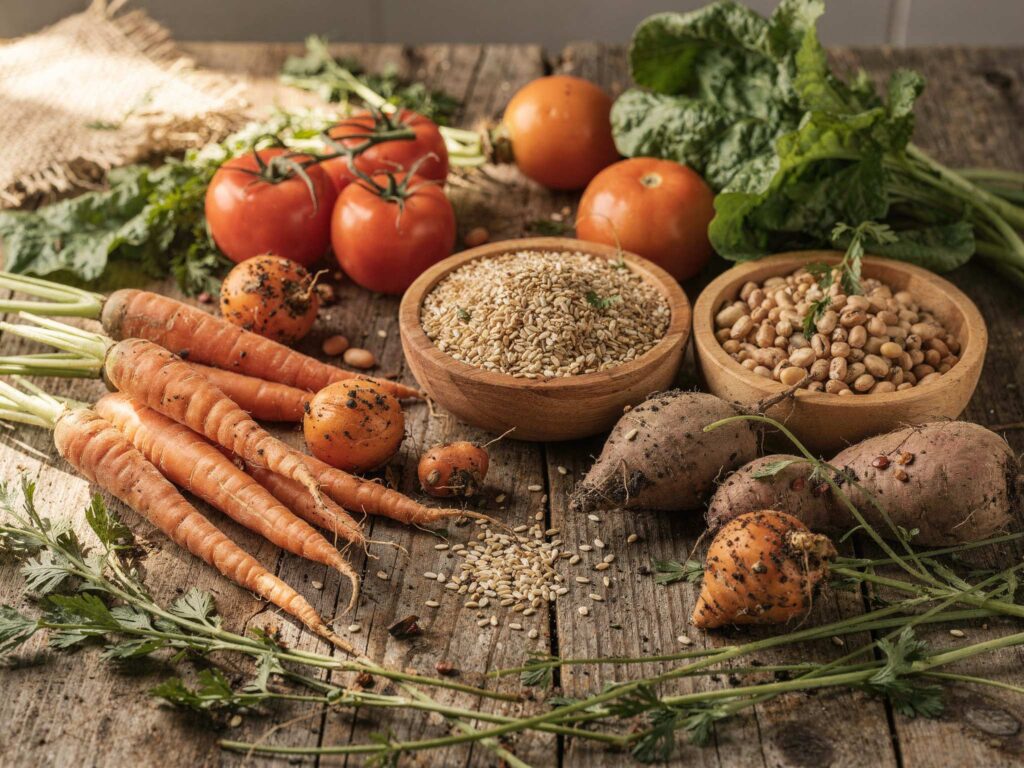
The modern idea of “clean food” often revolves around appearance. Uniform grains, blemish-free fruits, long shelf life, and precise packaging are commonly associated with quality. Yet research into food processing shows that many of these traits are achieved through intervention, not natural integrity.
Clean food, in its original sense, was defined by intent rather than outcome. It depended on how food was grown, handled, and consumed—not how it looked. In traditional settings, food was produced primarily for household consumption. Selling excess came later.
This created a natural quality filter. Farmers avoided excessive chemical use because they would consume the same produce. Storage methods were simple because food was meant to be eaten within a season. Processing was minimal because tools and energy were limited.
In contrast, modern food systems often separate producers from consumers. When food is grown primarily for distant markets, incentives change. Shelf stability may matter more than freshness. Cosmetic appeal may matter more than flavour.
Studies in food ethics and sustainability increasingly emphasise “intentional agriculture”—systems where decisions are guided by long-term health of soil, people, and ecosystems. In such systems, imperfections are accepted as natural variation, not defects.
Clean food, therefore, is not defined by how perfect it appears, but by the choices made at every stage. It reflects restraint, transparency, and respect for natural limits.
Understanding this distinction helps consumers move beyond marketing language and focus on what truly matters: how food is produced, and why.